![IMG_1244[2].jpg](https://images.squarespace-cdn.com/content/v1/5ad51895da02bca2eb988104/1cdb26ce-b988-405c-8852-20dd73611038/IMG_1244%5B2%5D.jpg)
2026 BALTIC TOUR!
Singing where music once inspired a nation
03/25/2026 - 04/02/2026I was honored to be part of Coeur d’Alene High School’s advanced choir on an amazing 9-day tour through the Baltic countries. We visited Estonia, Latvia, and Lithuania, exploring both the old and new parts of each city. We sang in three beautiful churches and performed songs in eight different languages, sharing music everywhere we went. Along the way, we visited places like Turaida and Trakai castles, saw Rundāle Palace, walked through cobblestone streets, and admired Riga’s art nouveau buildings. The Baltic countries have a long history of being taken over by other nations, but the people have always held onto their culture and traditions. From 1987-1991, something called the Singing Revolution helped them gain independence from the Soviet Union, as large groups of people came together to sing and peacefully stand up for their freedom. In 1988 they formed a human chain with two million people spanning the three countries. Being able to sing in these countries and learn about their history made the experience even more meaningful. It was a mix of music, learning, and unforgettable memories.
Here are some highlights from the trip
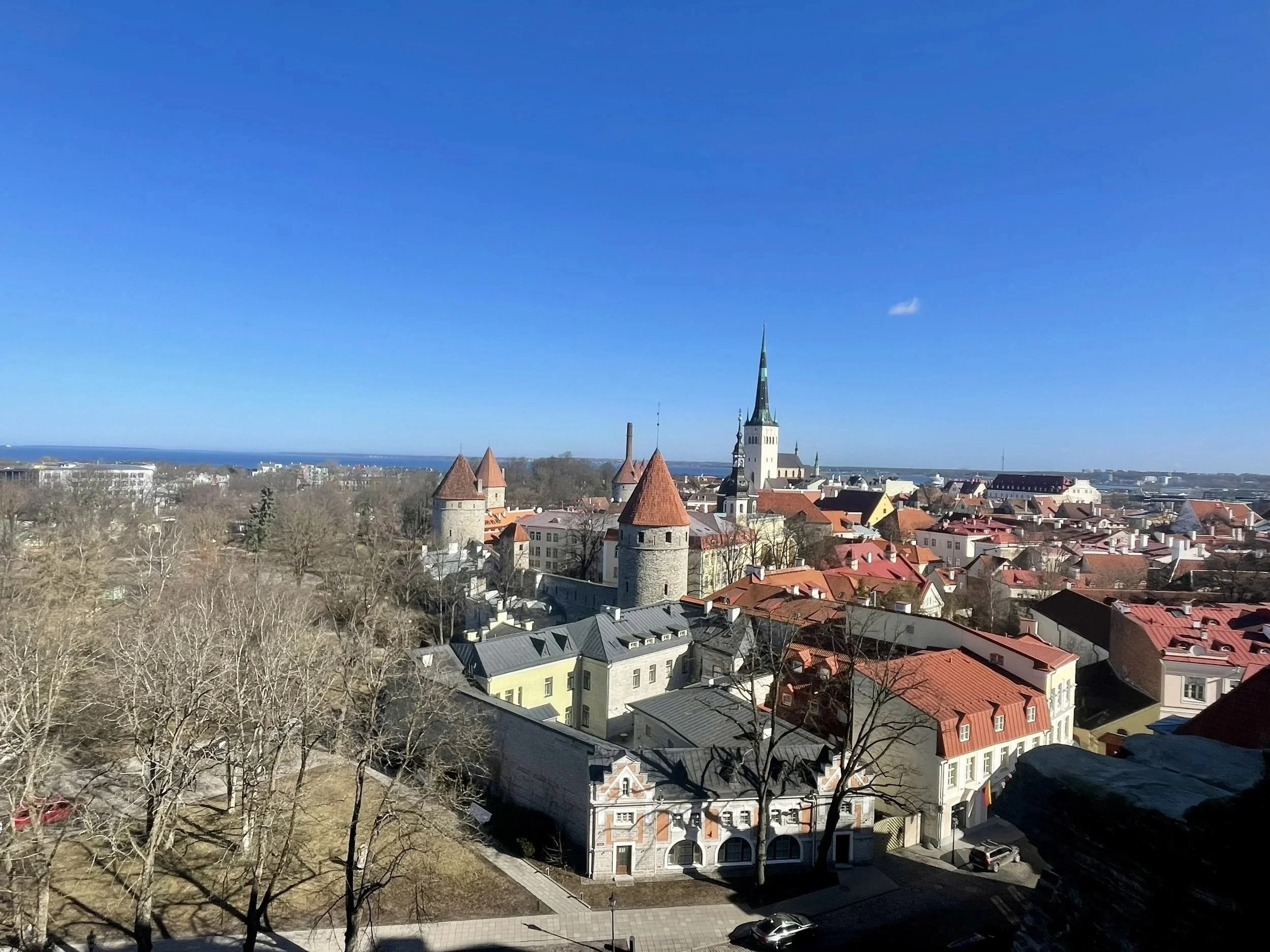
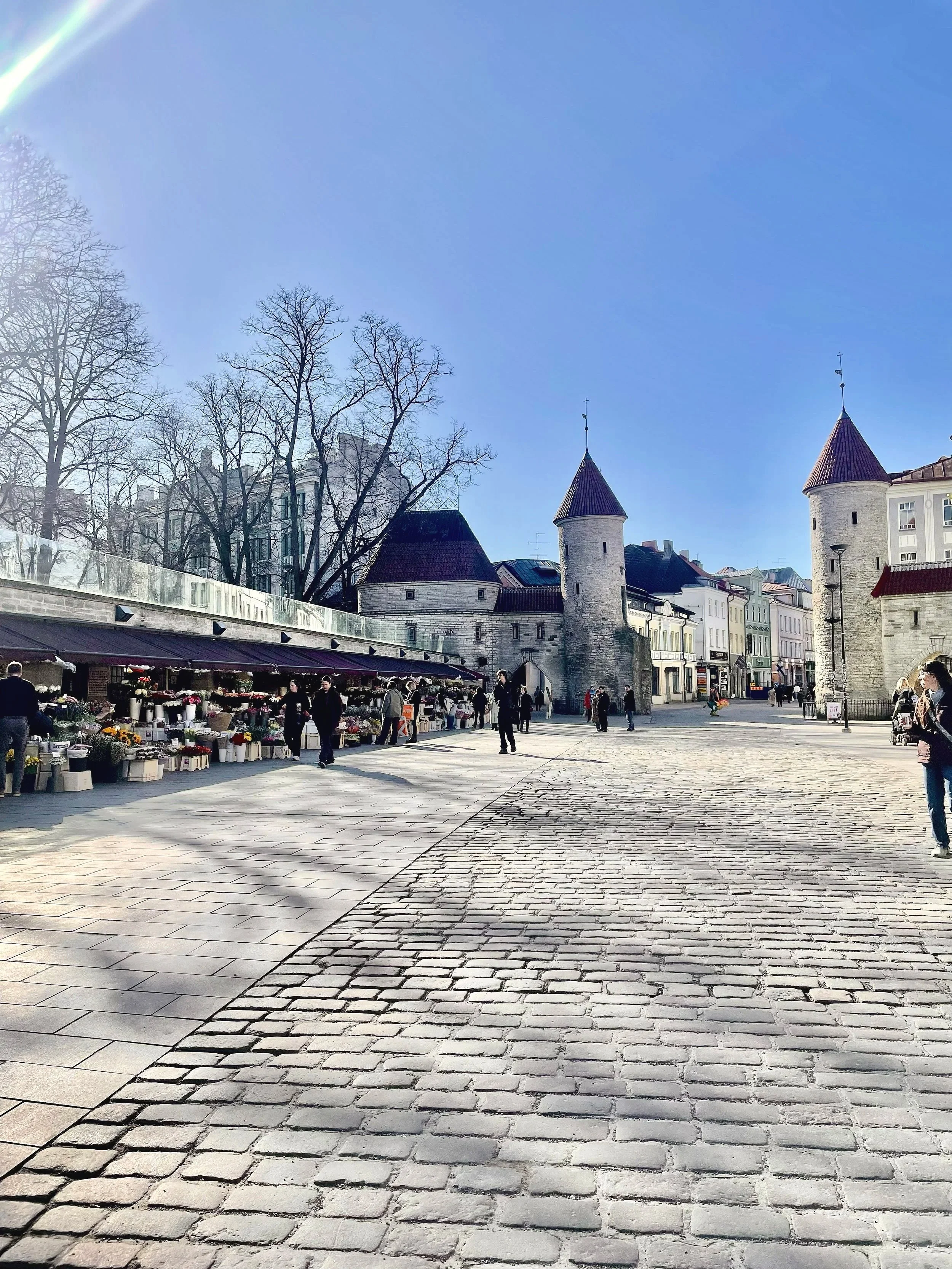
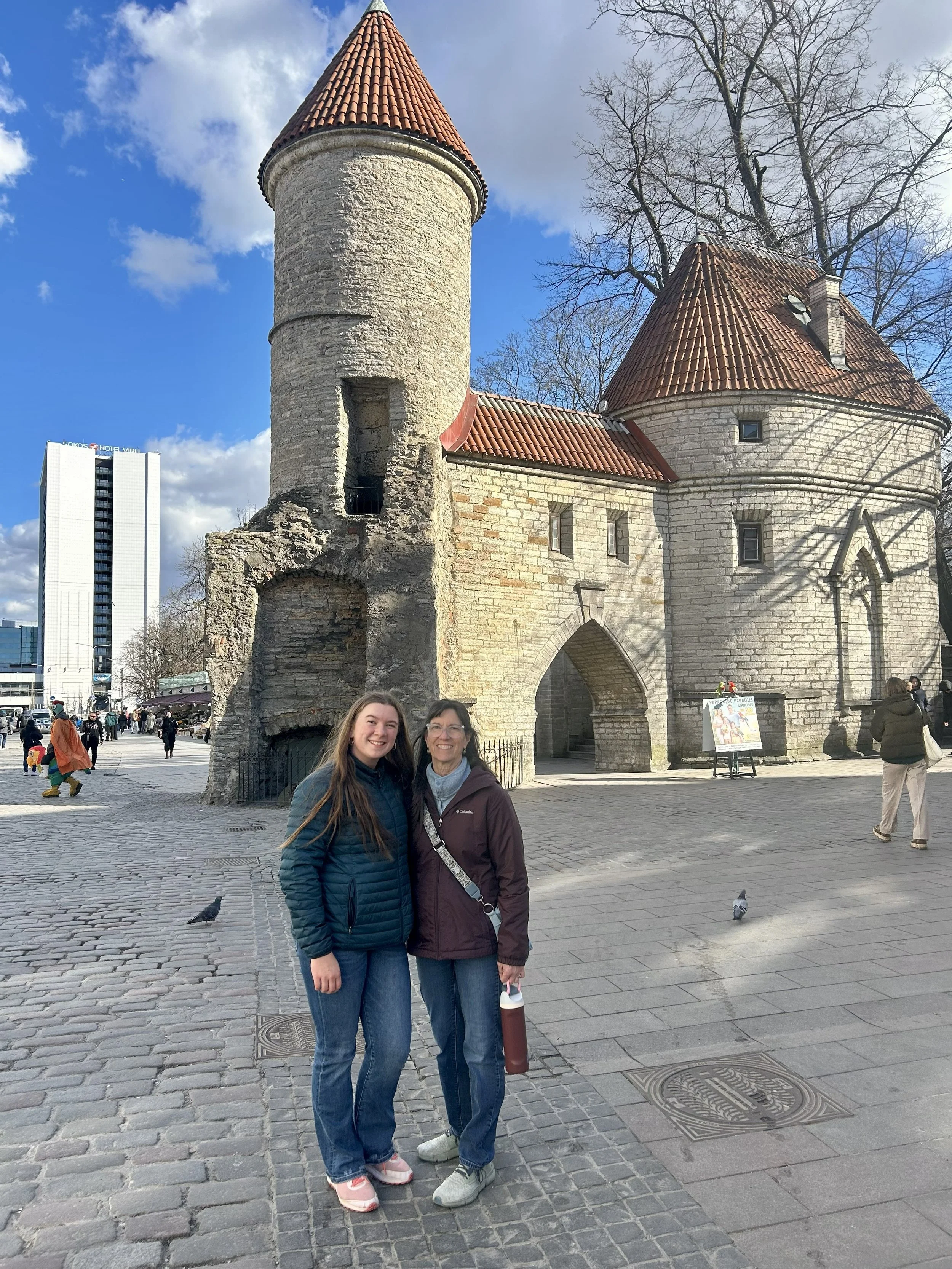
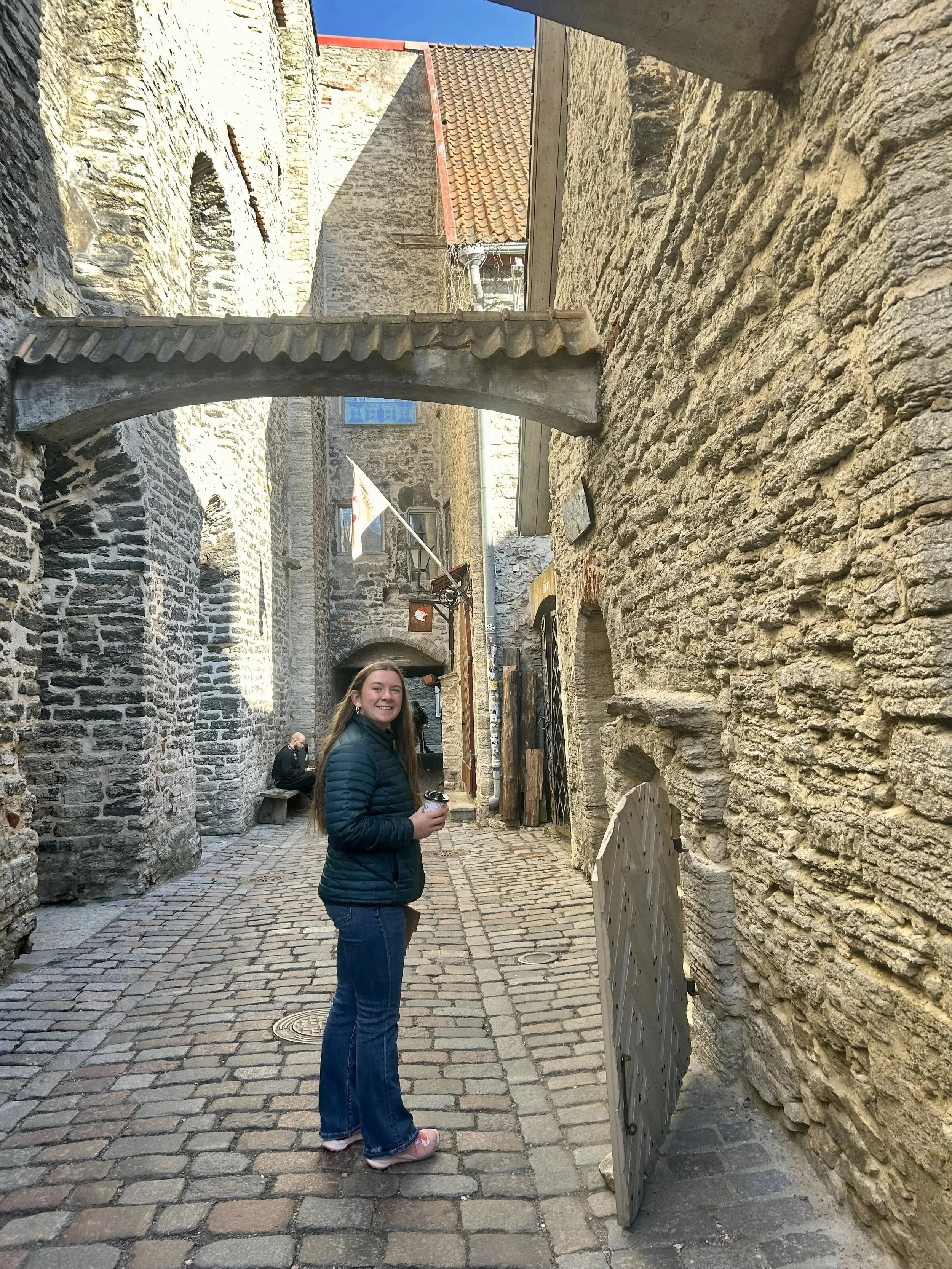
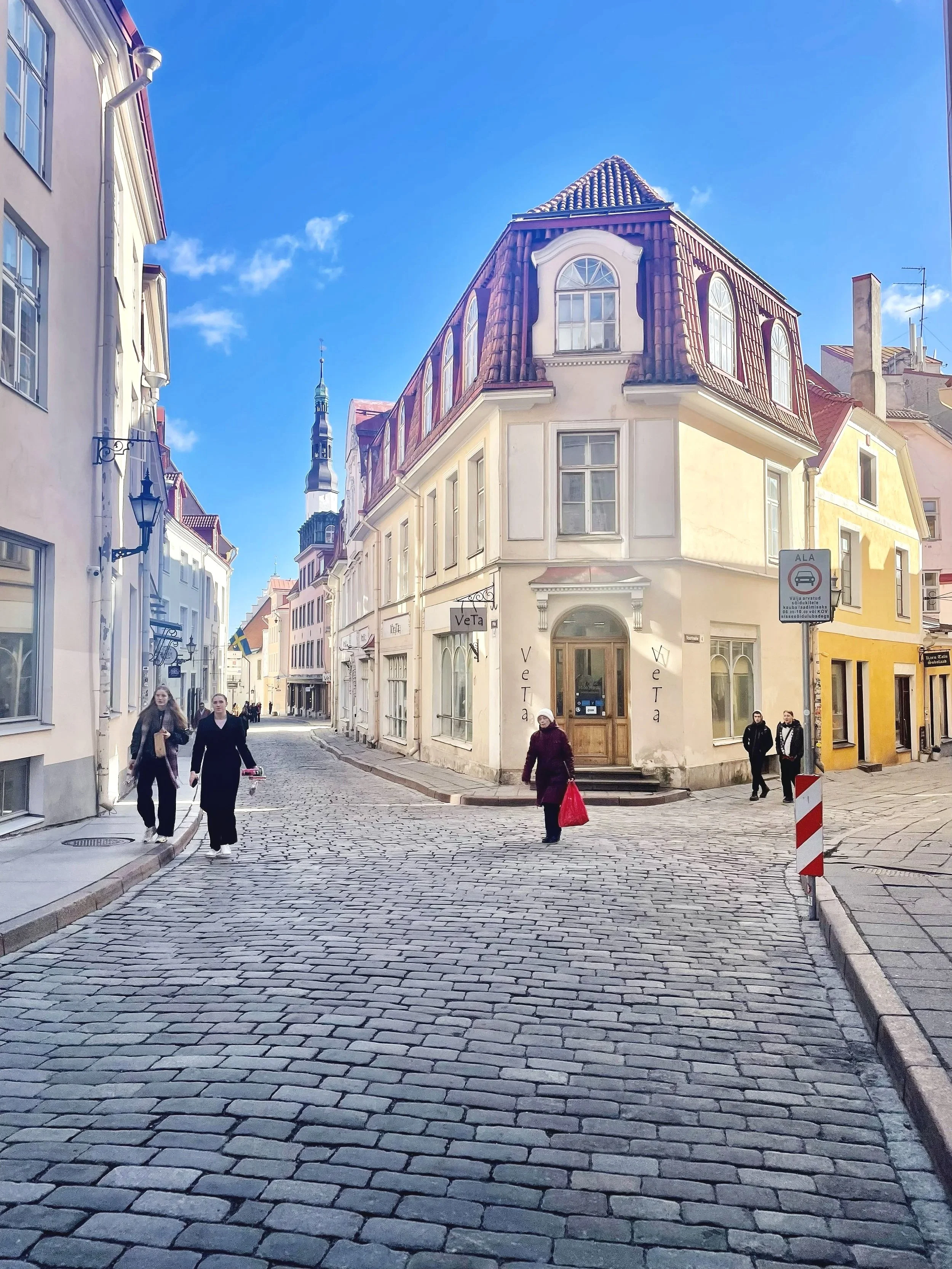
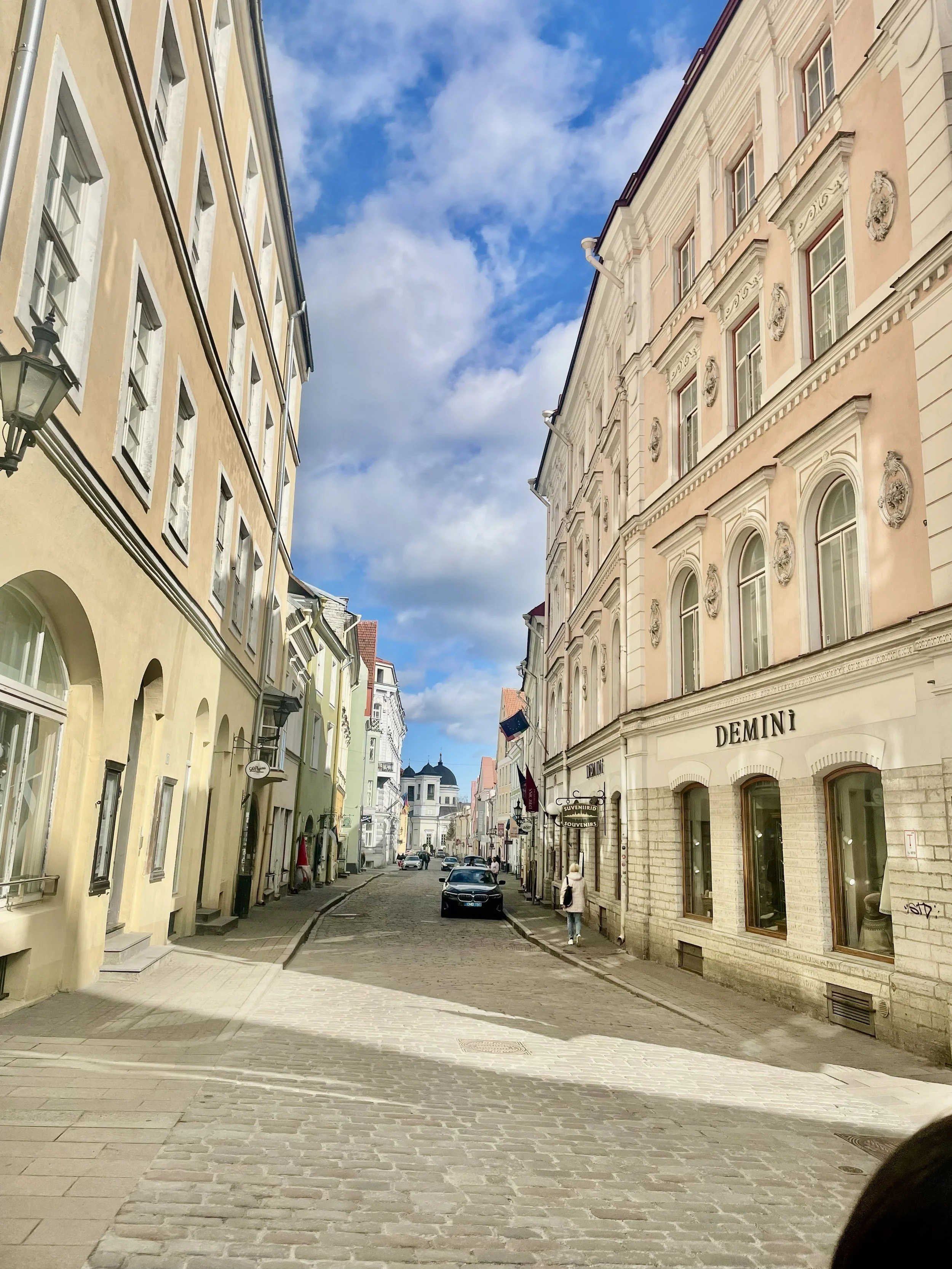
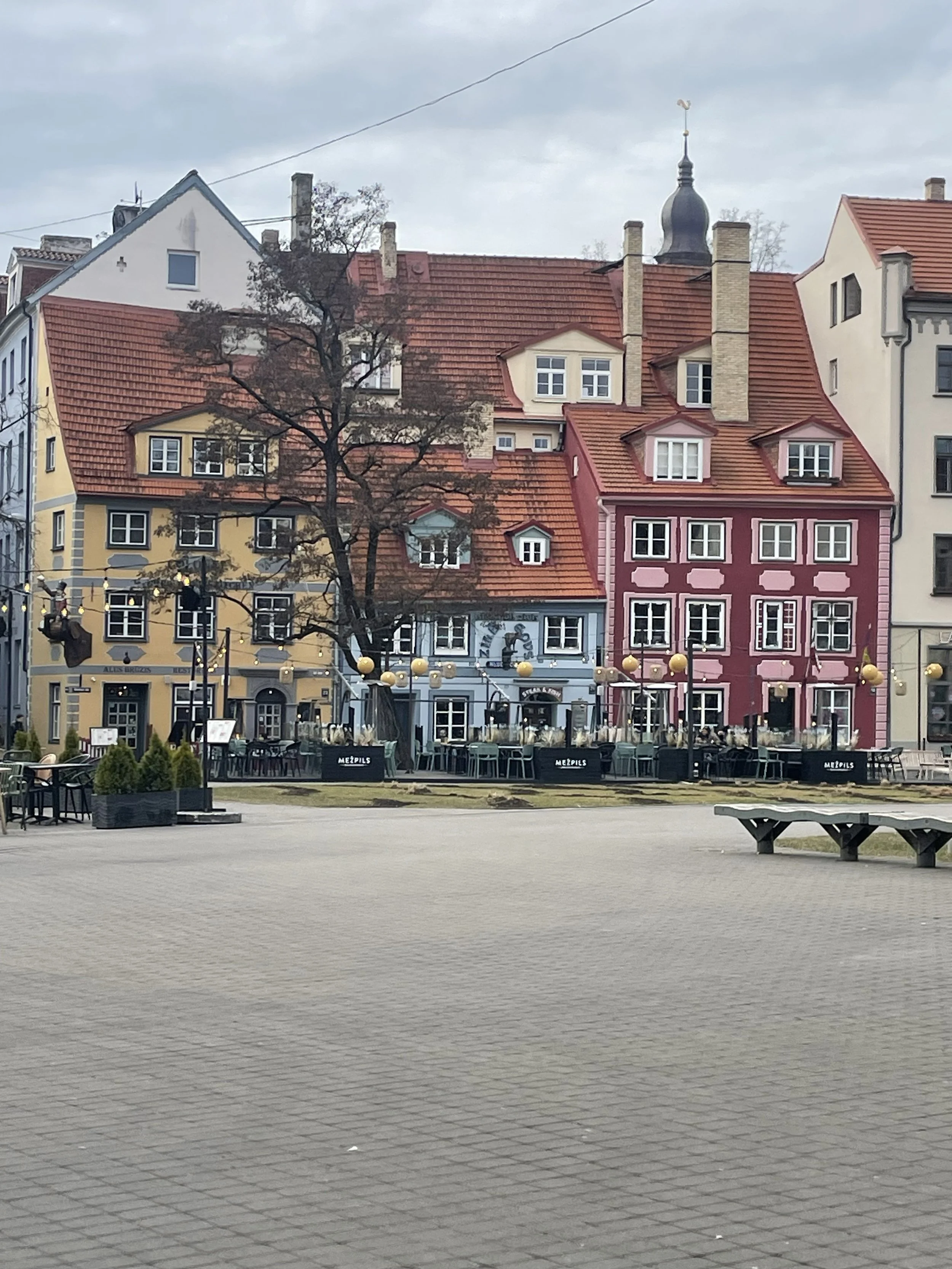
Old Towns
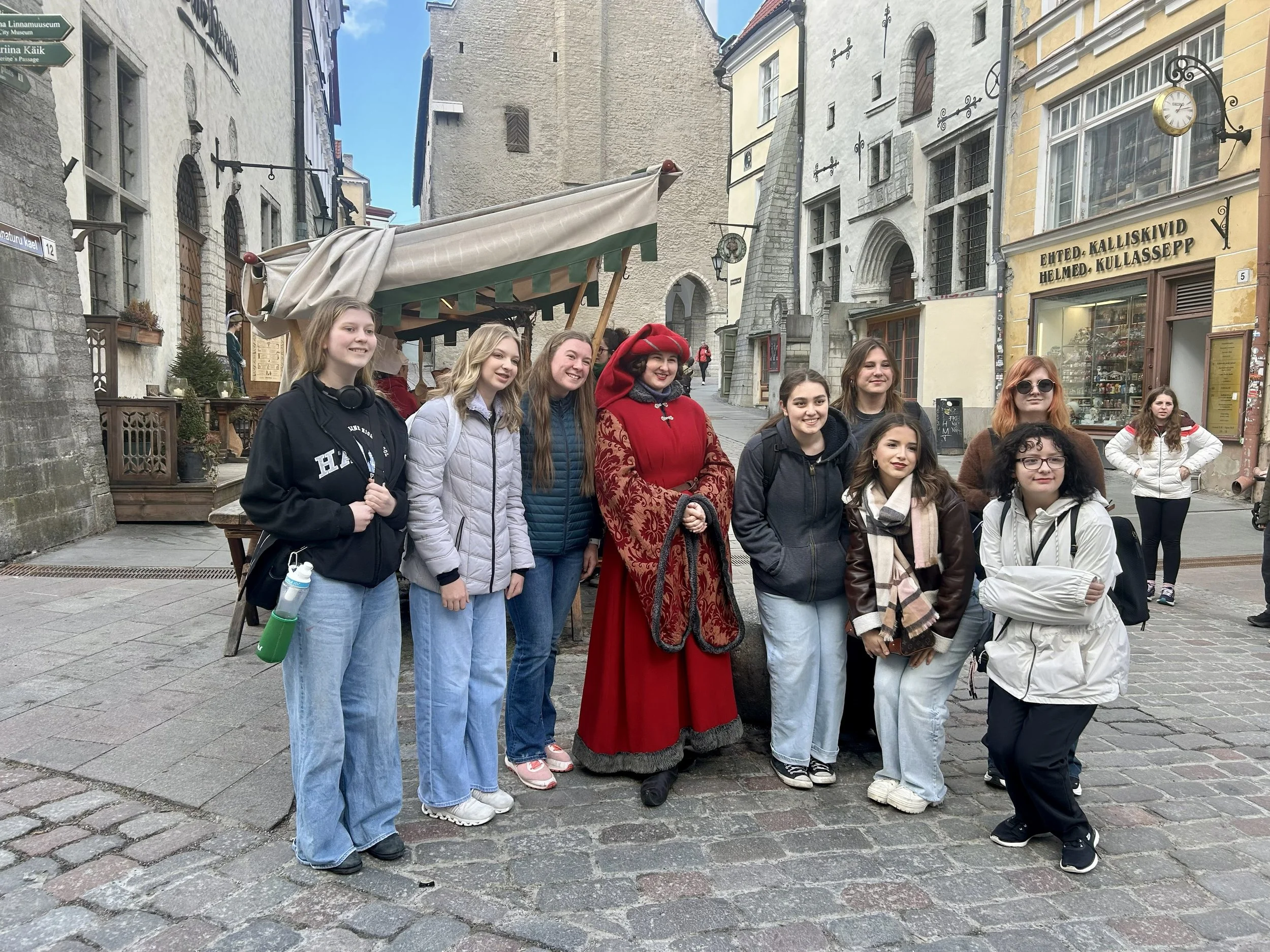
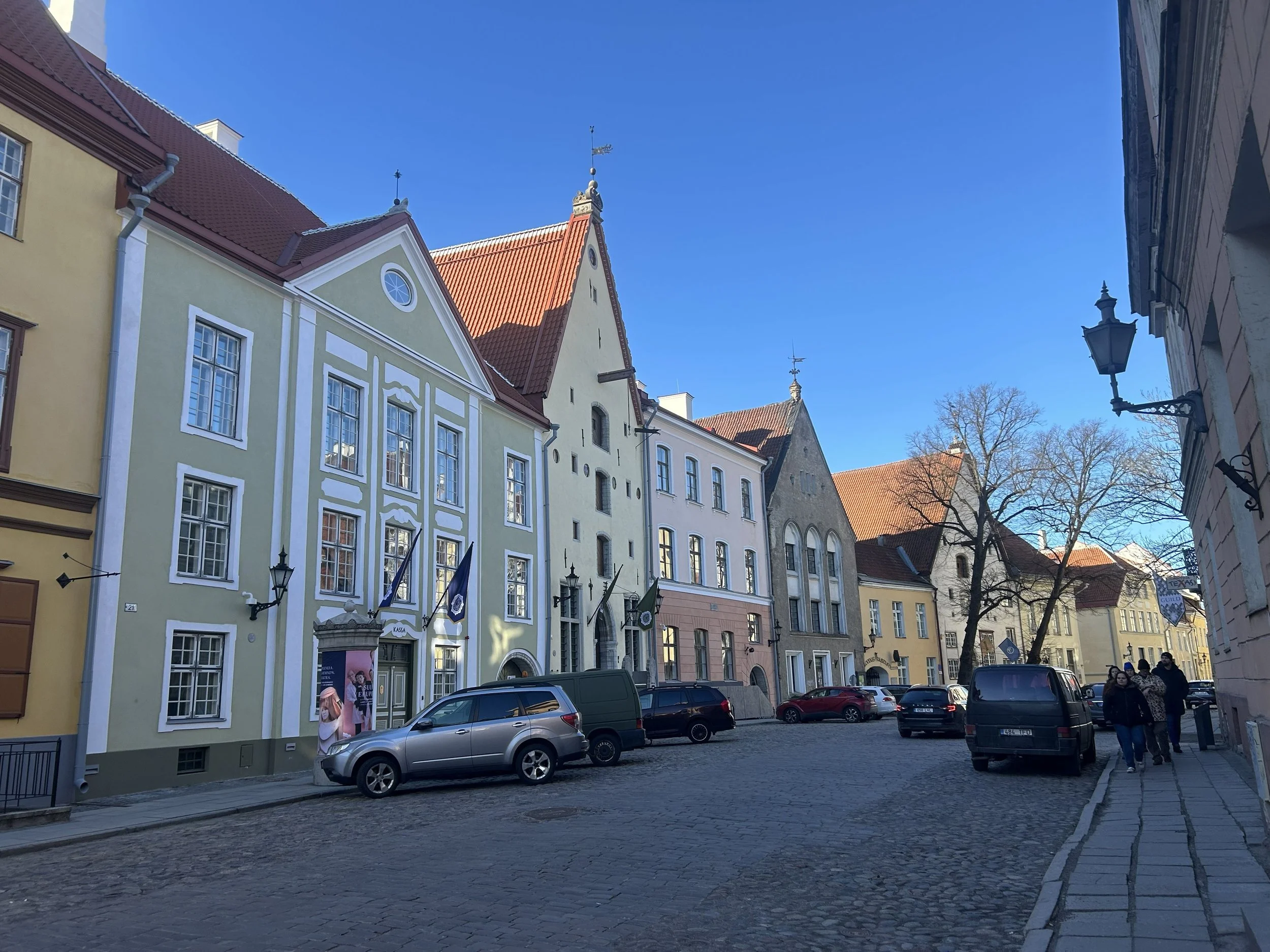
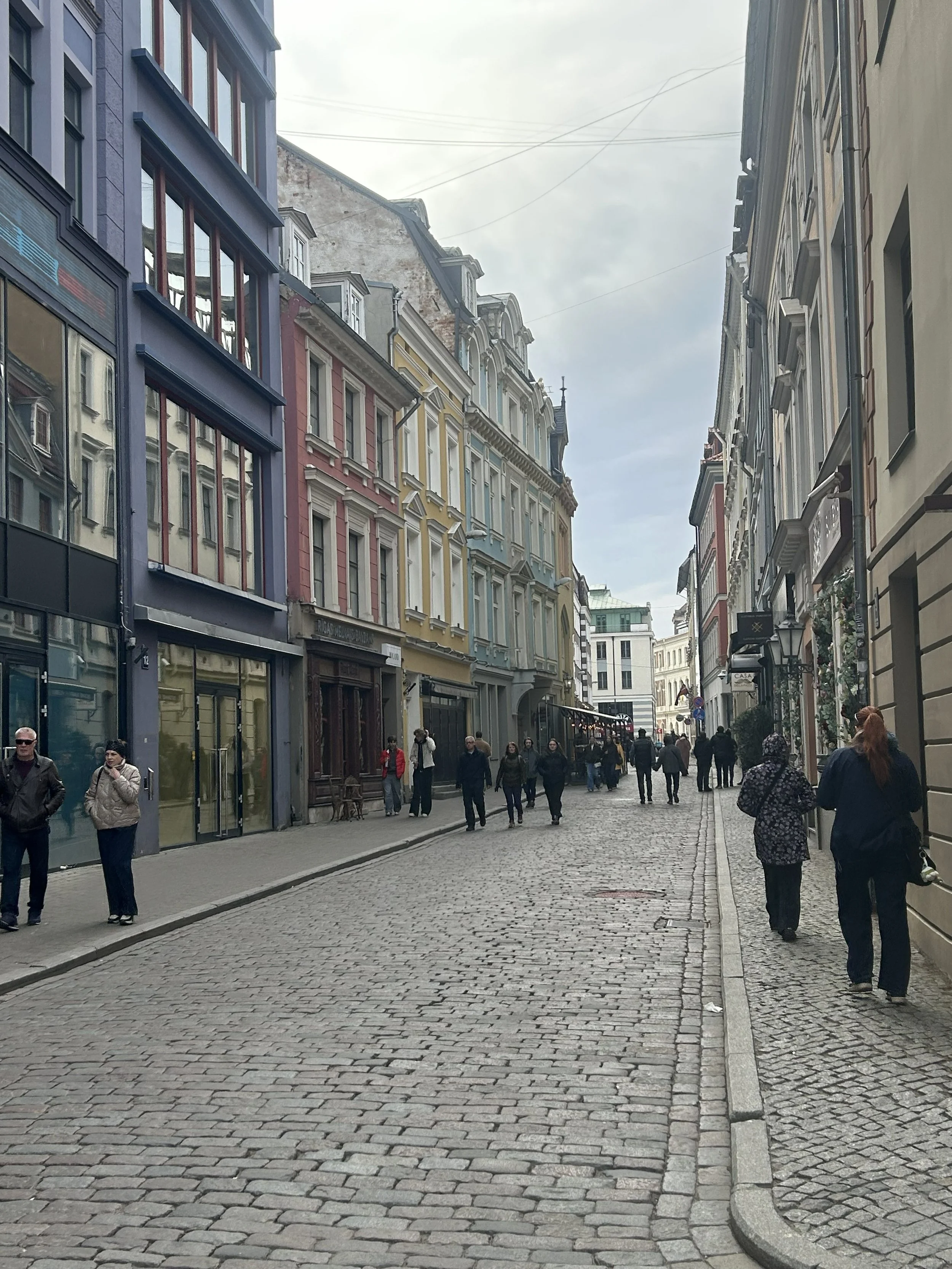
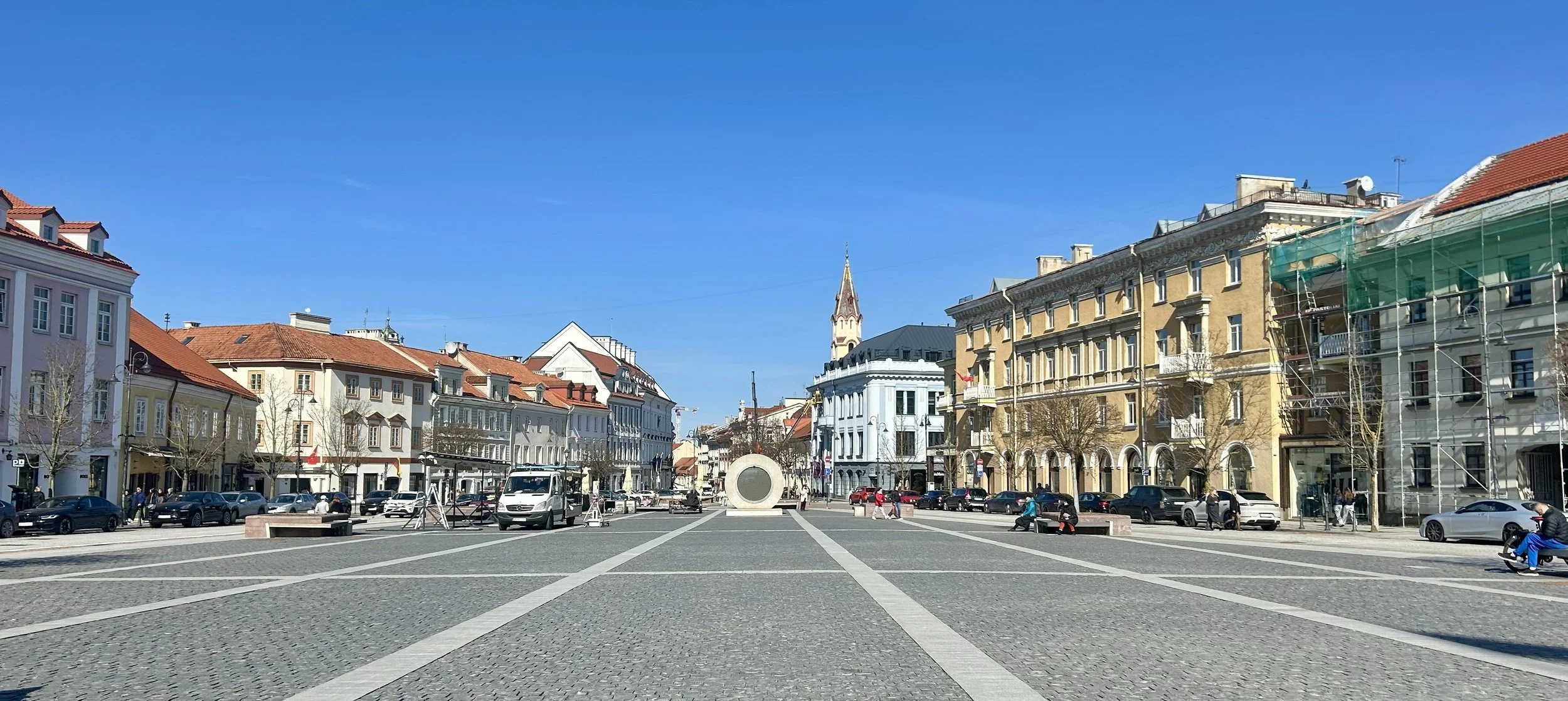
These are the Old Towns of Tallinn, Estonia; Riga, Latvia; and Vilnius, Lithuania. Many parts of these cities date back to the 13th–16th centuries, when walls, churches, and narrow streets were built to defend against repeated occupations and preserve local culture. Walking through them, you can still see that history in the cobblestone streets, preserved architecture, and remaining sections of city walls. While each city has grown to include more modern areas, their Old Towns remain distinct, holding onto their medieval character. They are also filled with small, charming shops and winding alleyways that always seem to lead to more hidden corners. They are beautiful places to explore and make it easy to imagine what life was like hundreds of years ago.
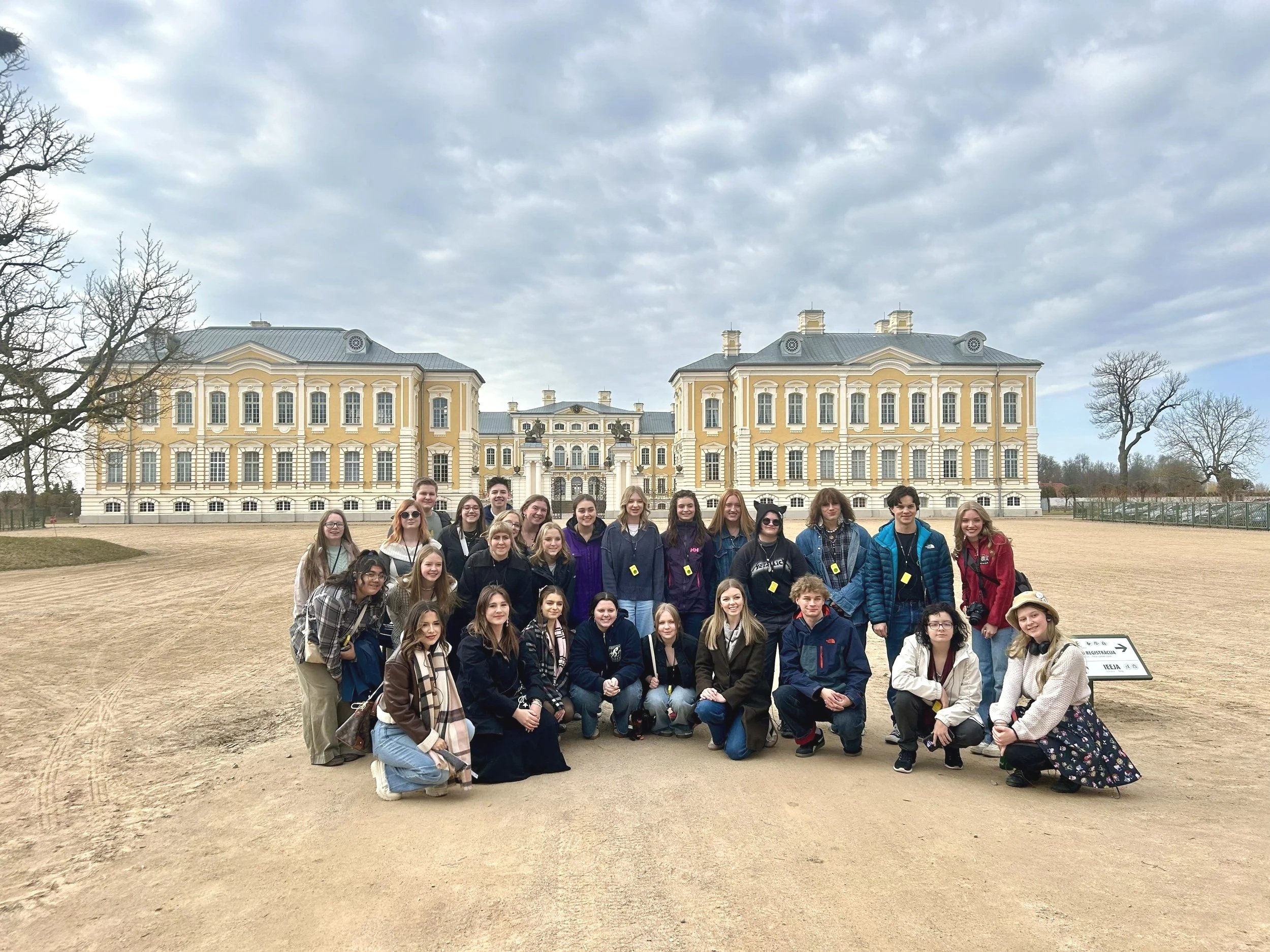
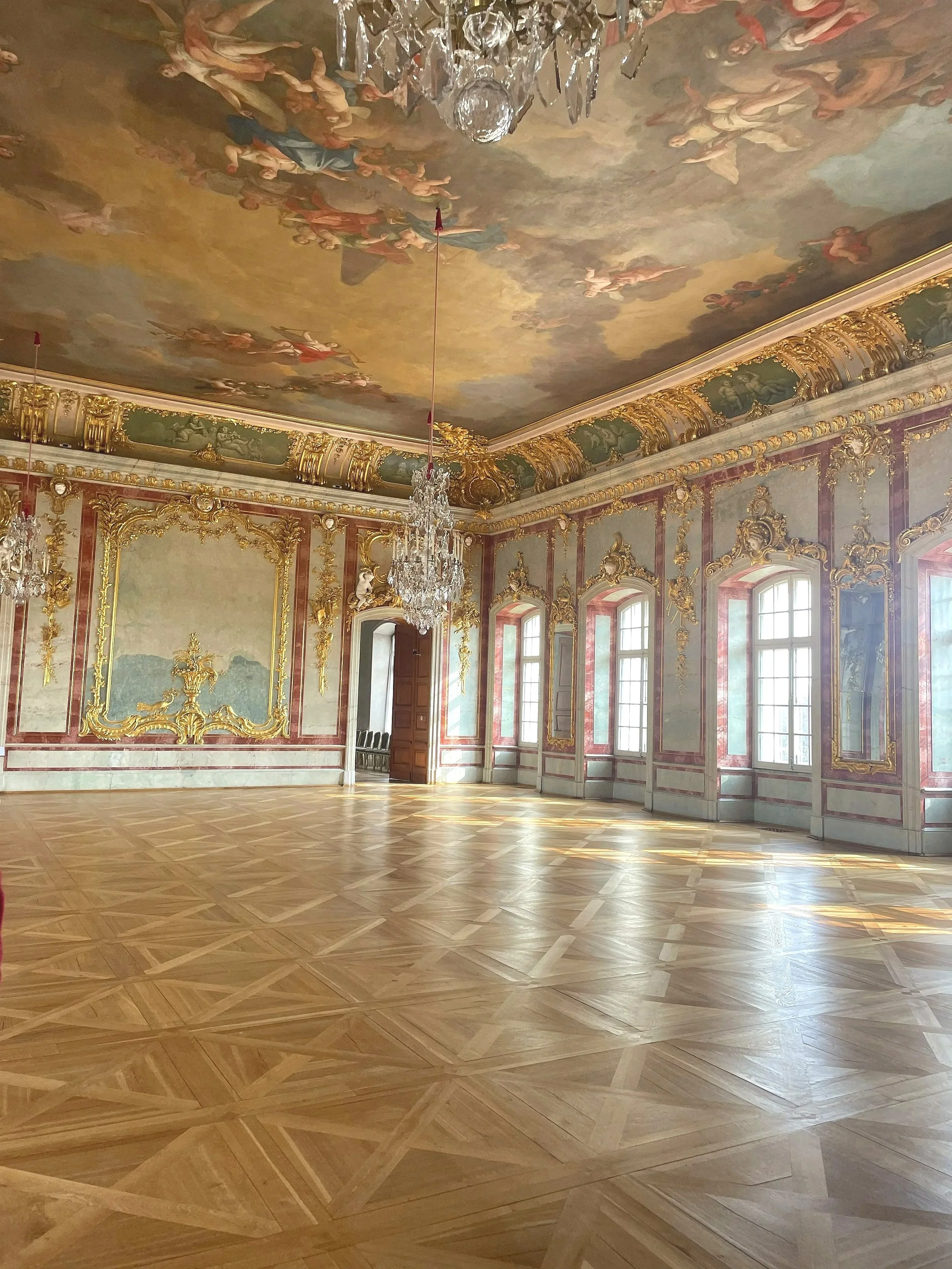
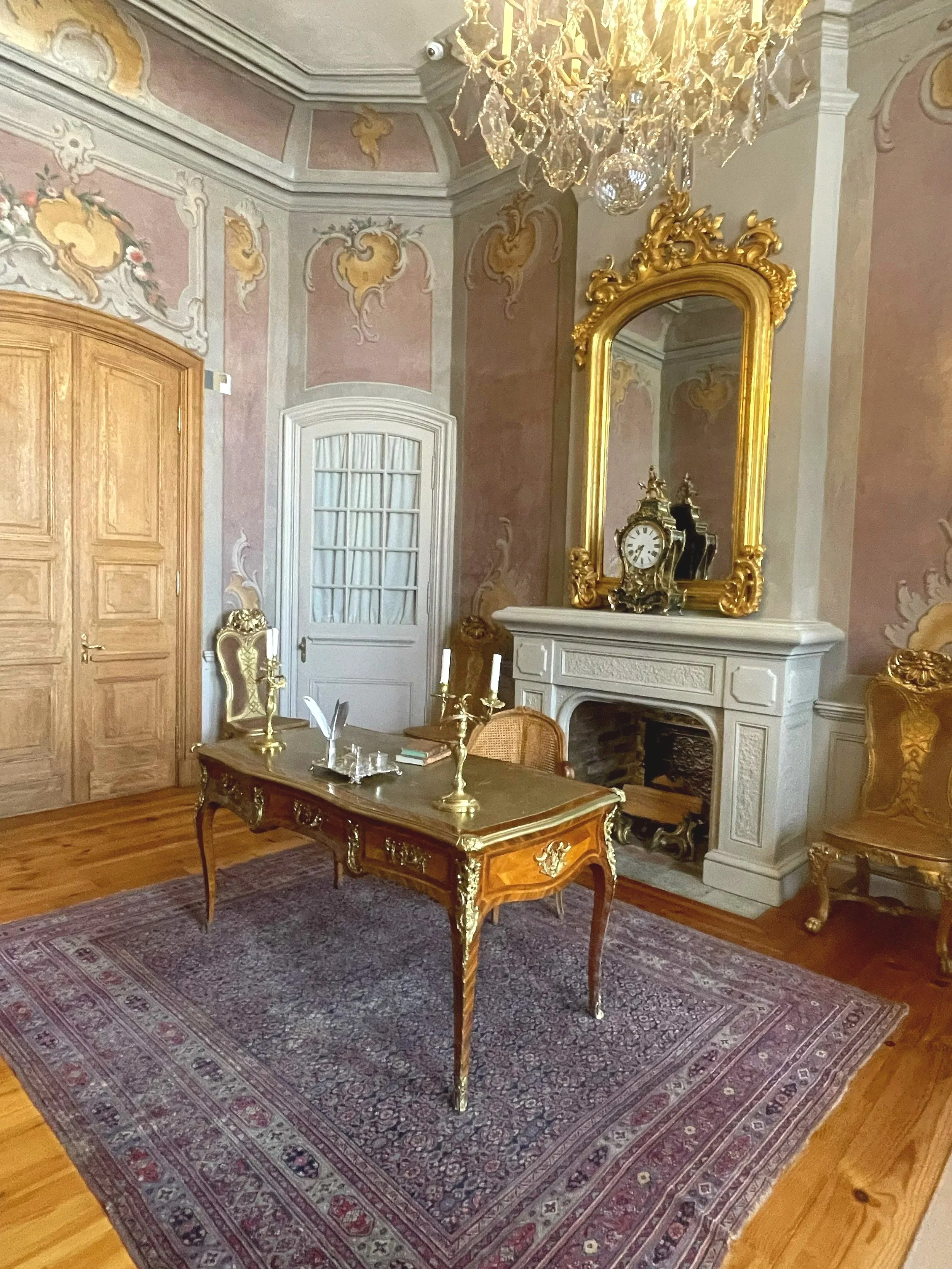
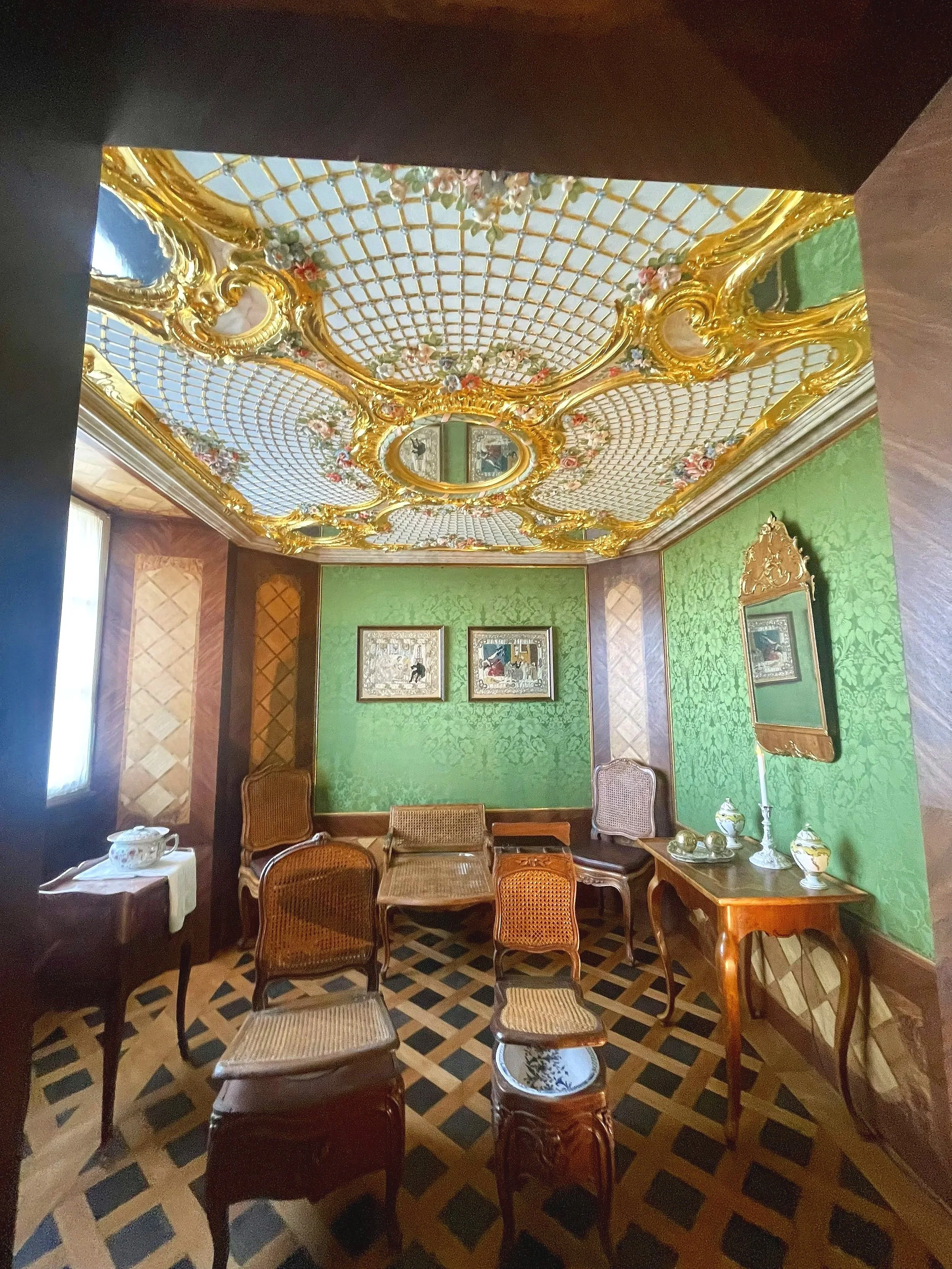
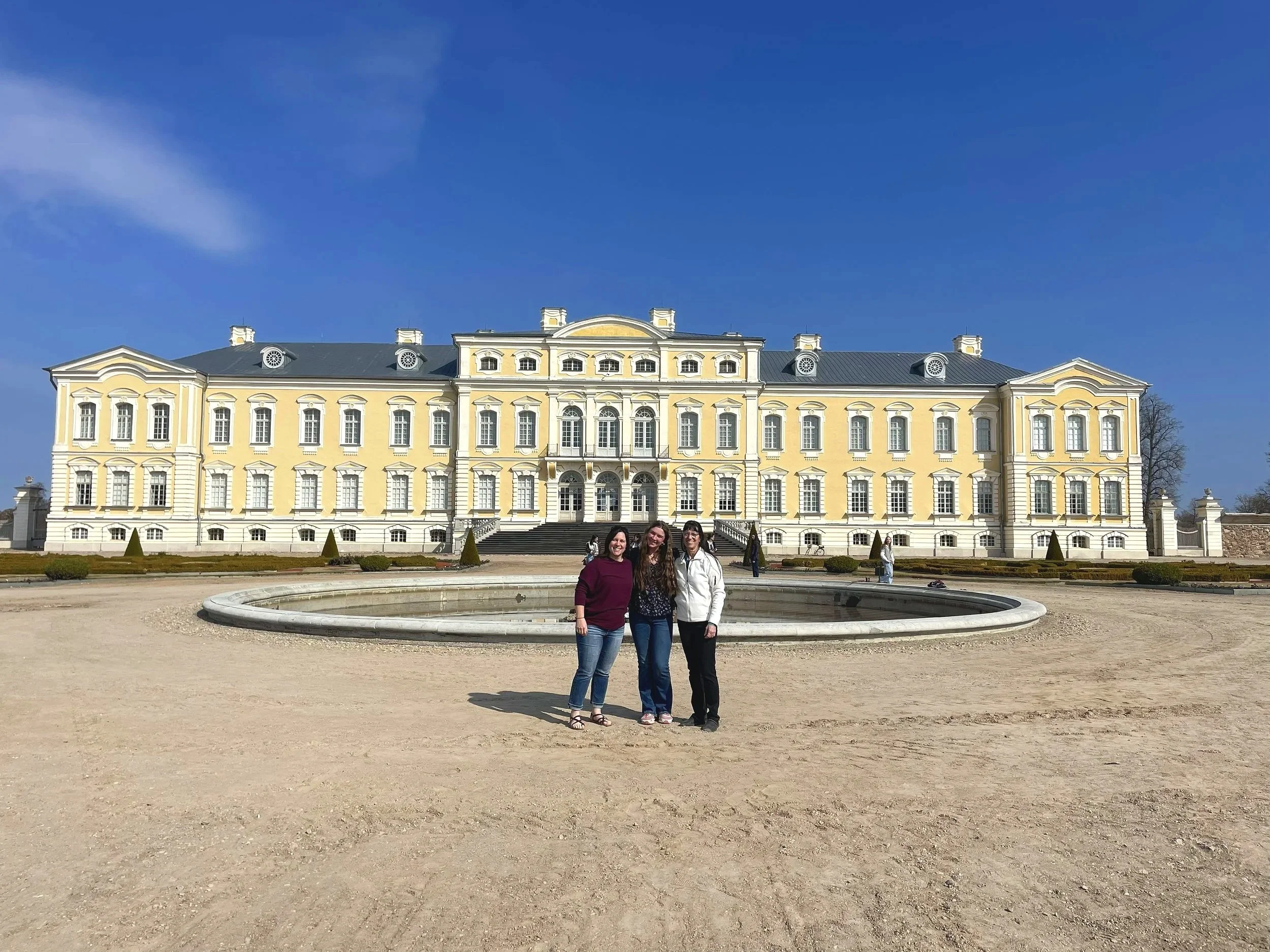
rundale palace
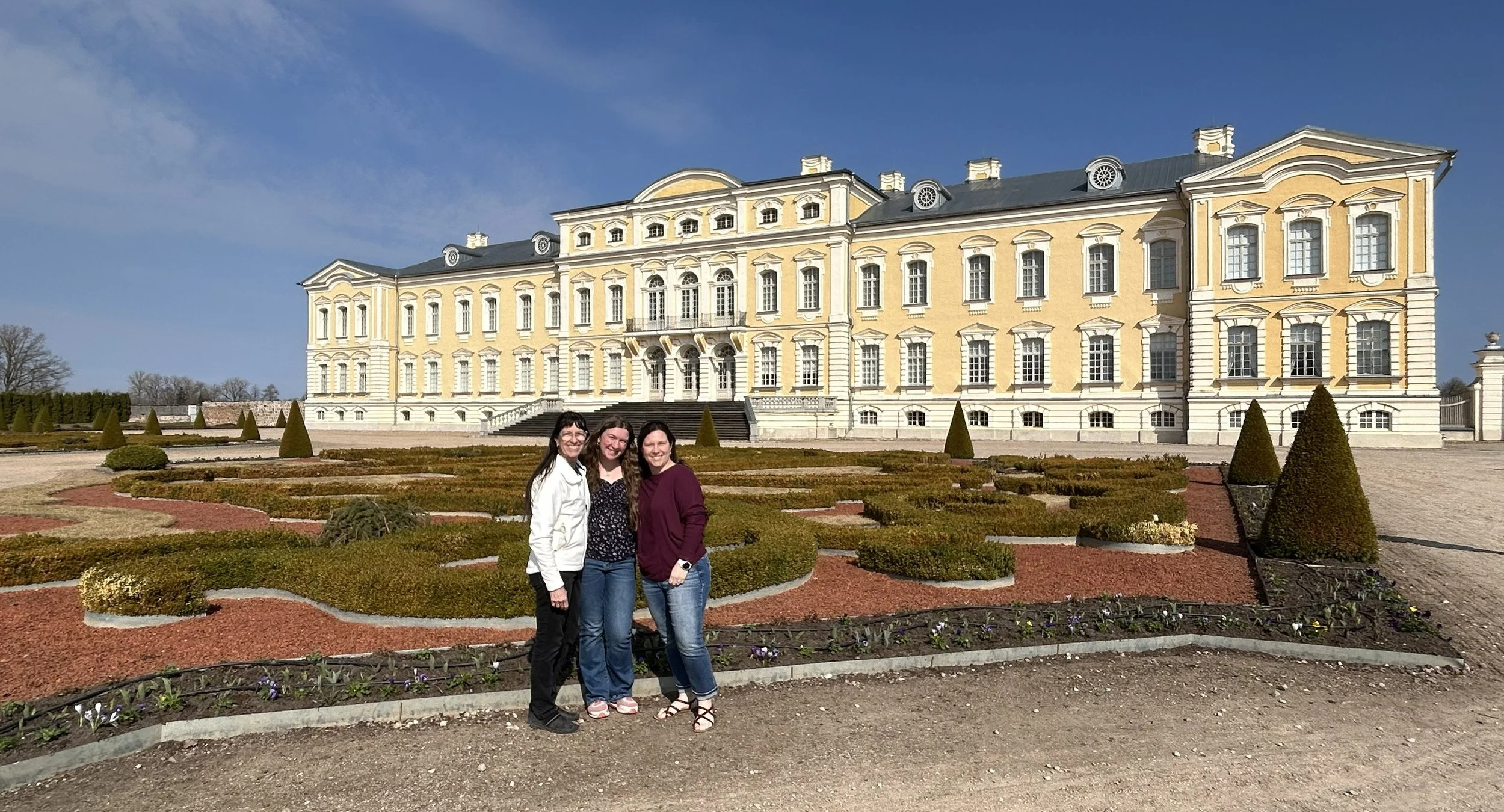
Visiting Rundāle Palace was incredible. Built in the 18th century as a summer residence for the Dukes of Courland, the palace is a stunning example of Baroque architecture. It was designed by F. B. Rastrelli, world-famous for designing the Hermitage Palace in St. Petersburg. It is amazingly well-preserved with clothing, books and artifacts from the 1700s. The rooms are lined with real gold, and walking through them you can really feel the grandeur and wealth of the era. The palace has survived the wars, mostly because it is tucked away in the middle of nowhere. Exploring the halls, seeing the ornate decorations, and imagining the dukes and their guests moving through these spaces made it feel like stepping back in time. It’s a stop I’ll never forget!
hill of crosses
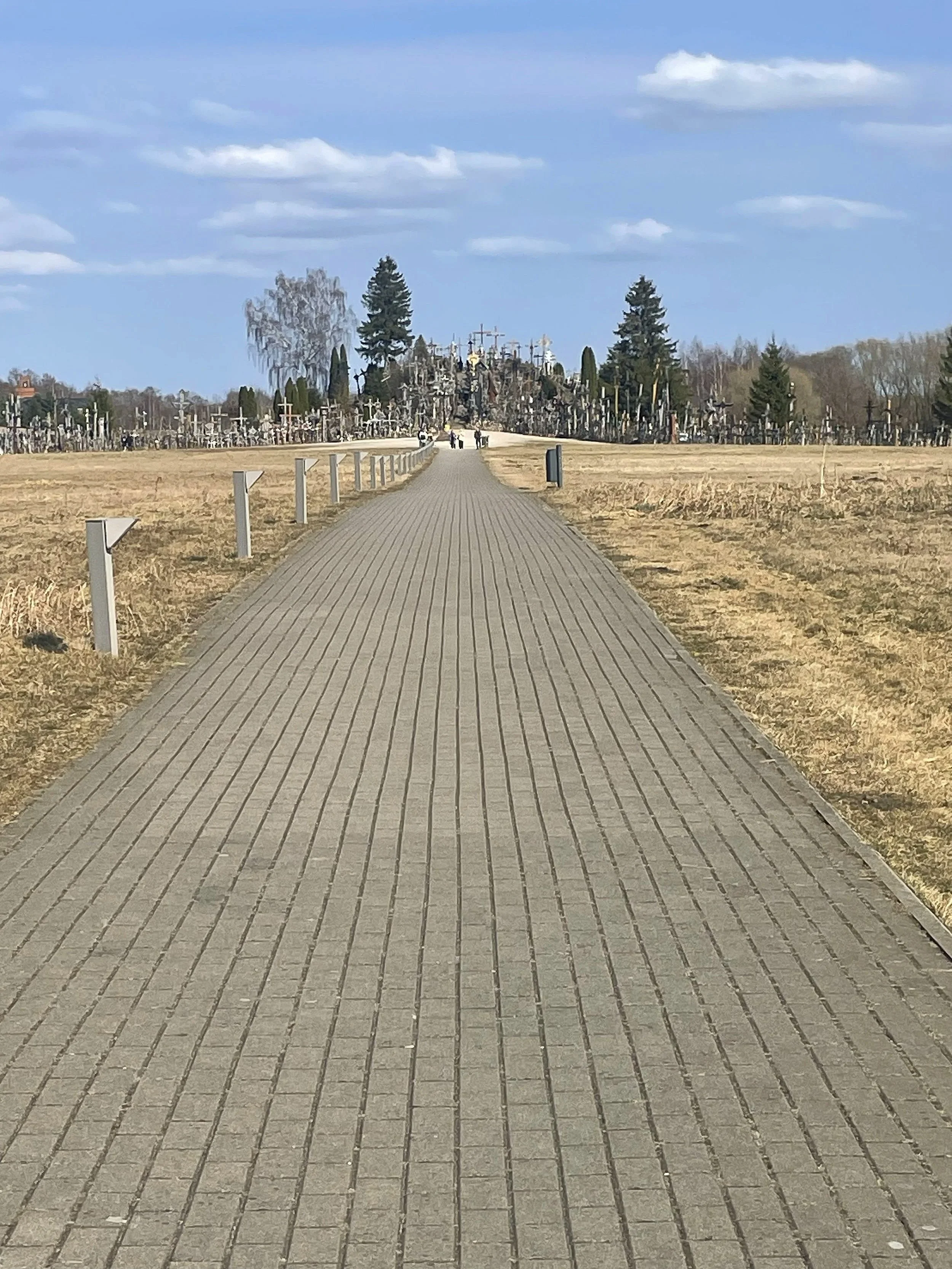
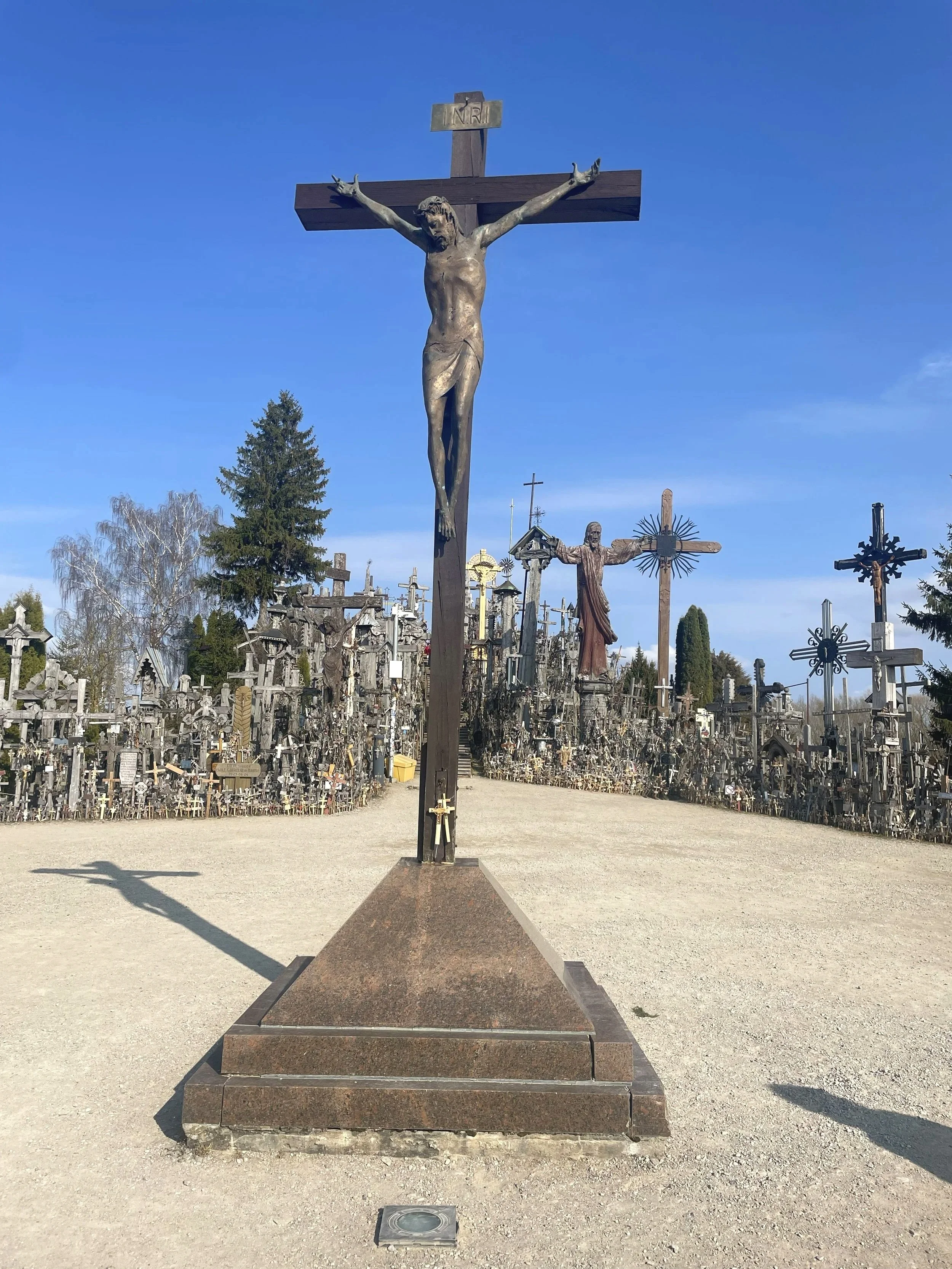
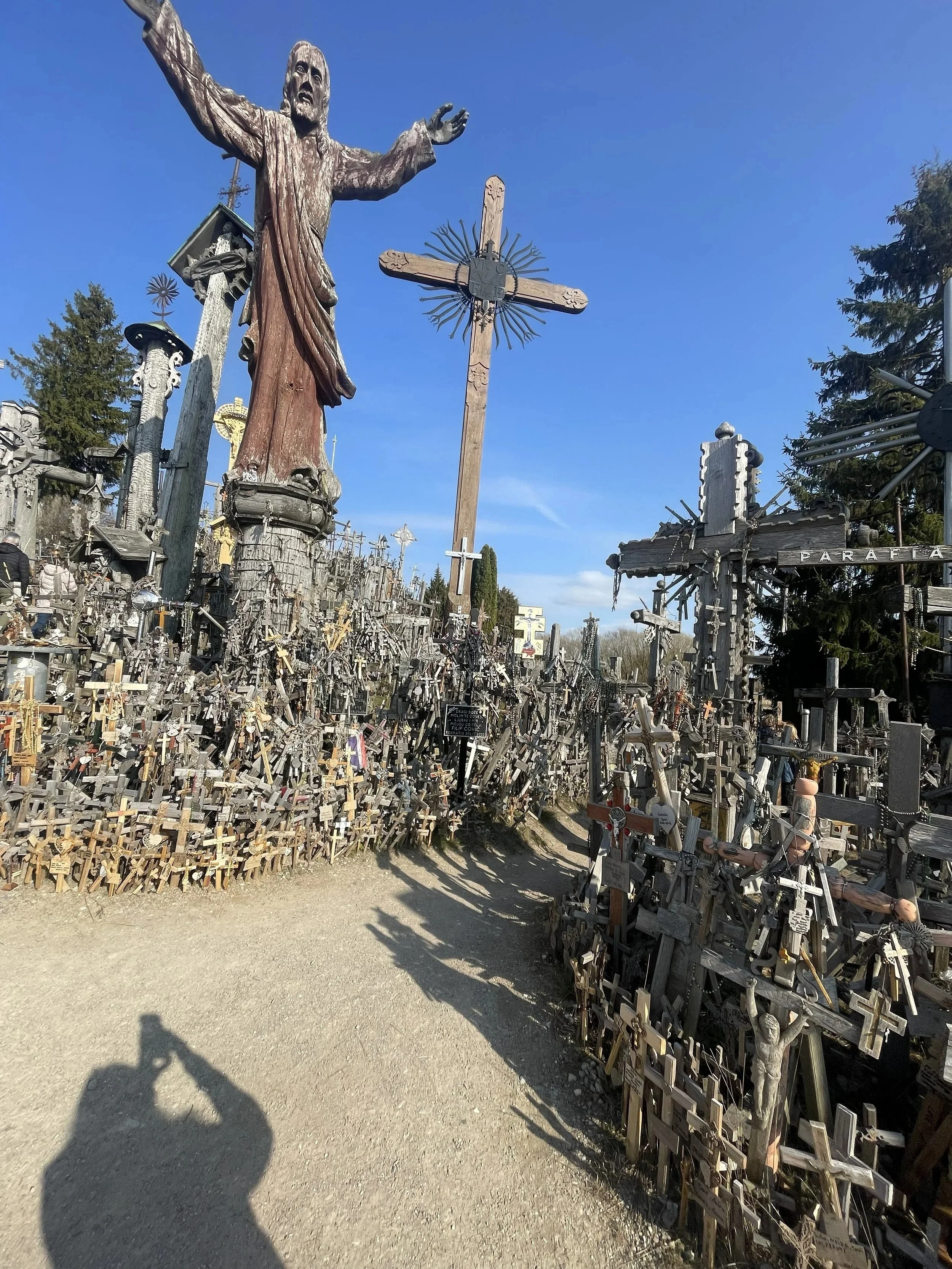
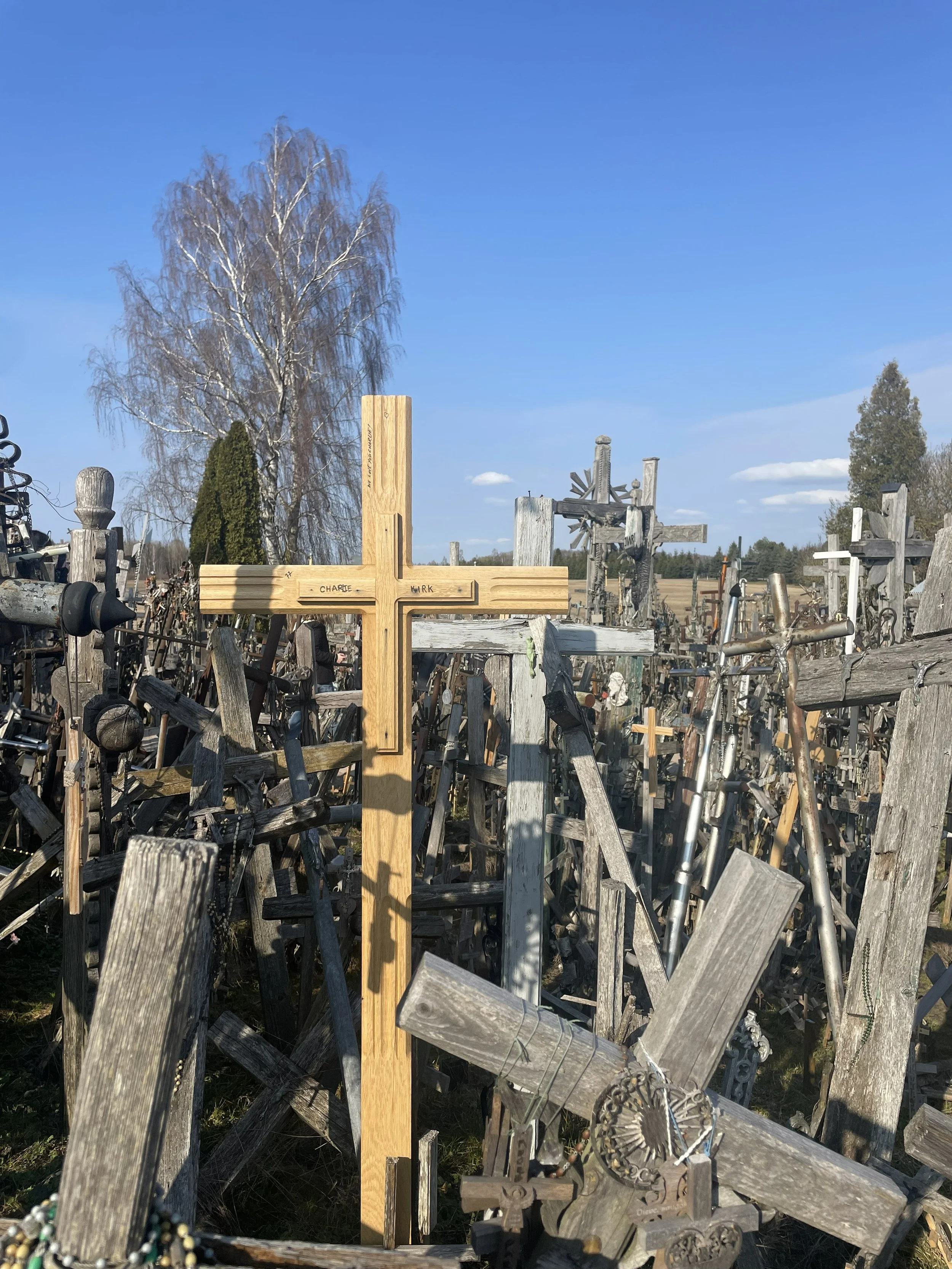
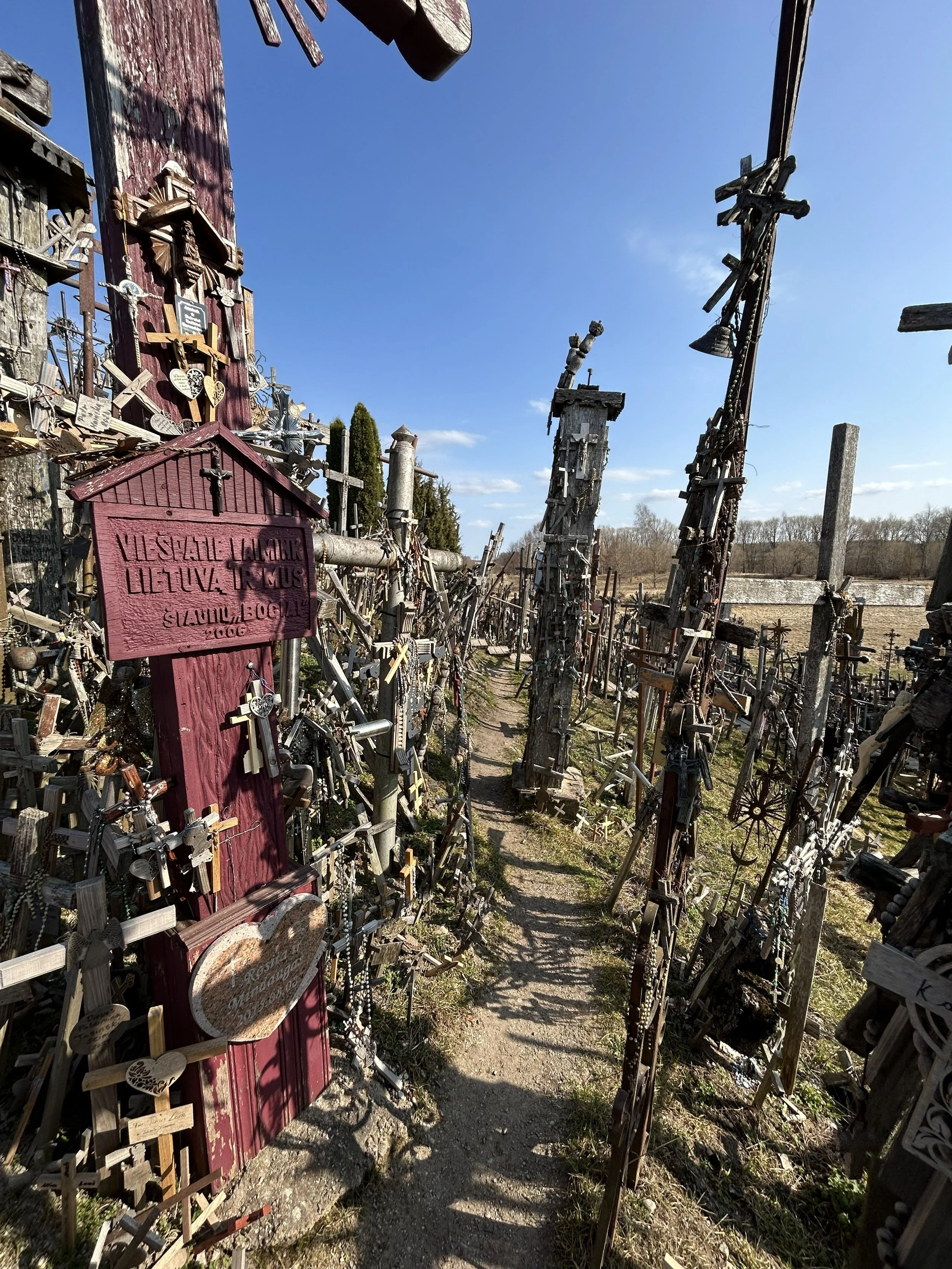
The Hill of Crosses in Lithuania is unlike anywhere else we visited. It began in the 19th century as a place for people to leave crosses in memory of loved ones who were lost or never found. Over time, more and more crosses appeared, and today there are tens of thousands—maybe even more. Even though Russian authorities bulldozed it several times during the Soviet era, the crosses always returned. Located in the middle of nowhere, walking among them felt both eerie and hauntingly beautiful, and it was incredible to see so many placed with such devotion.
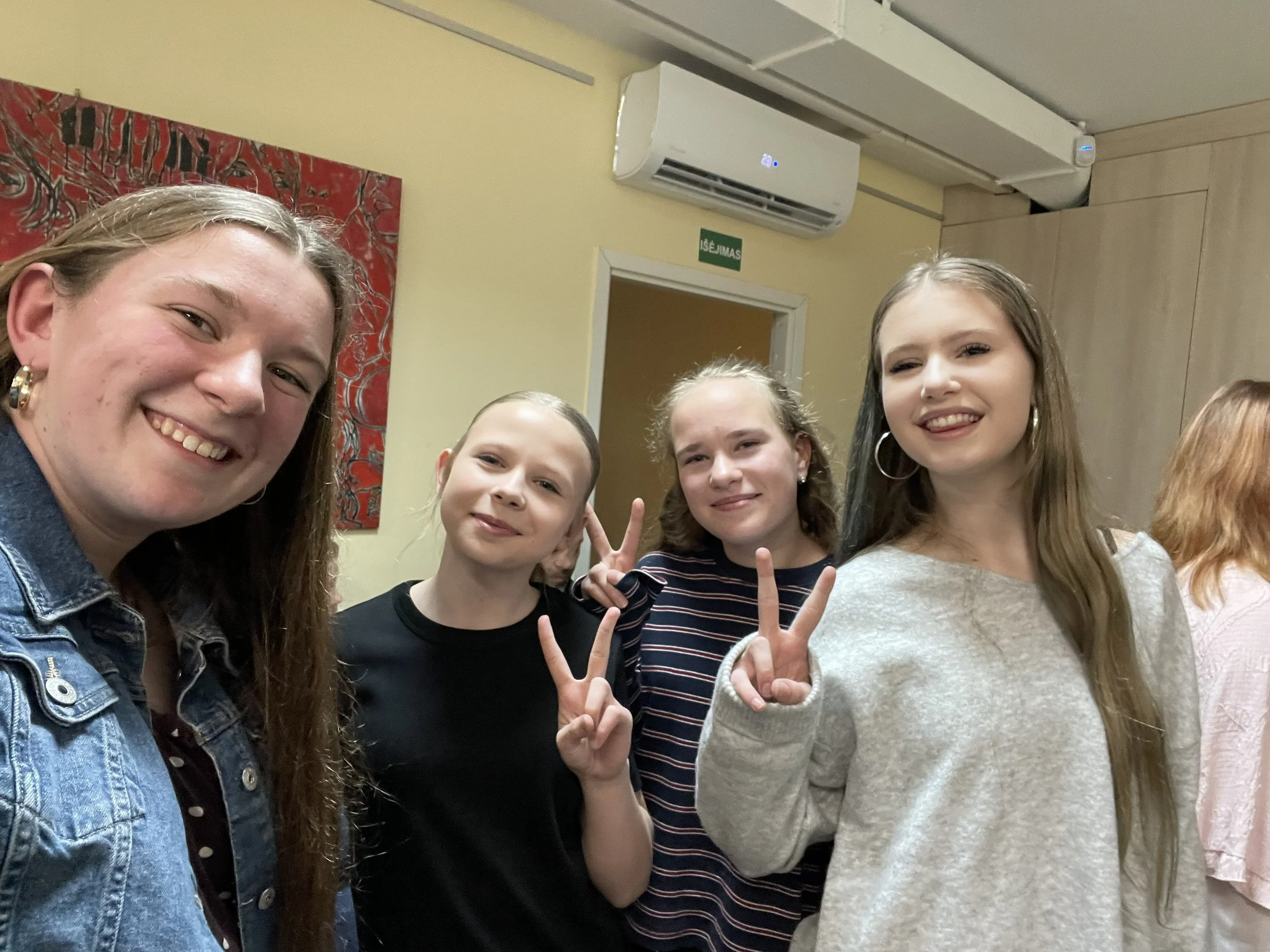
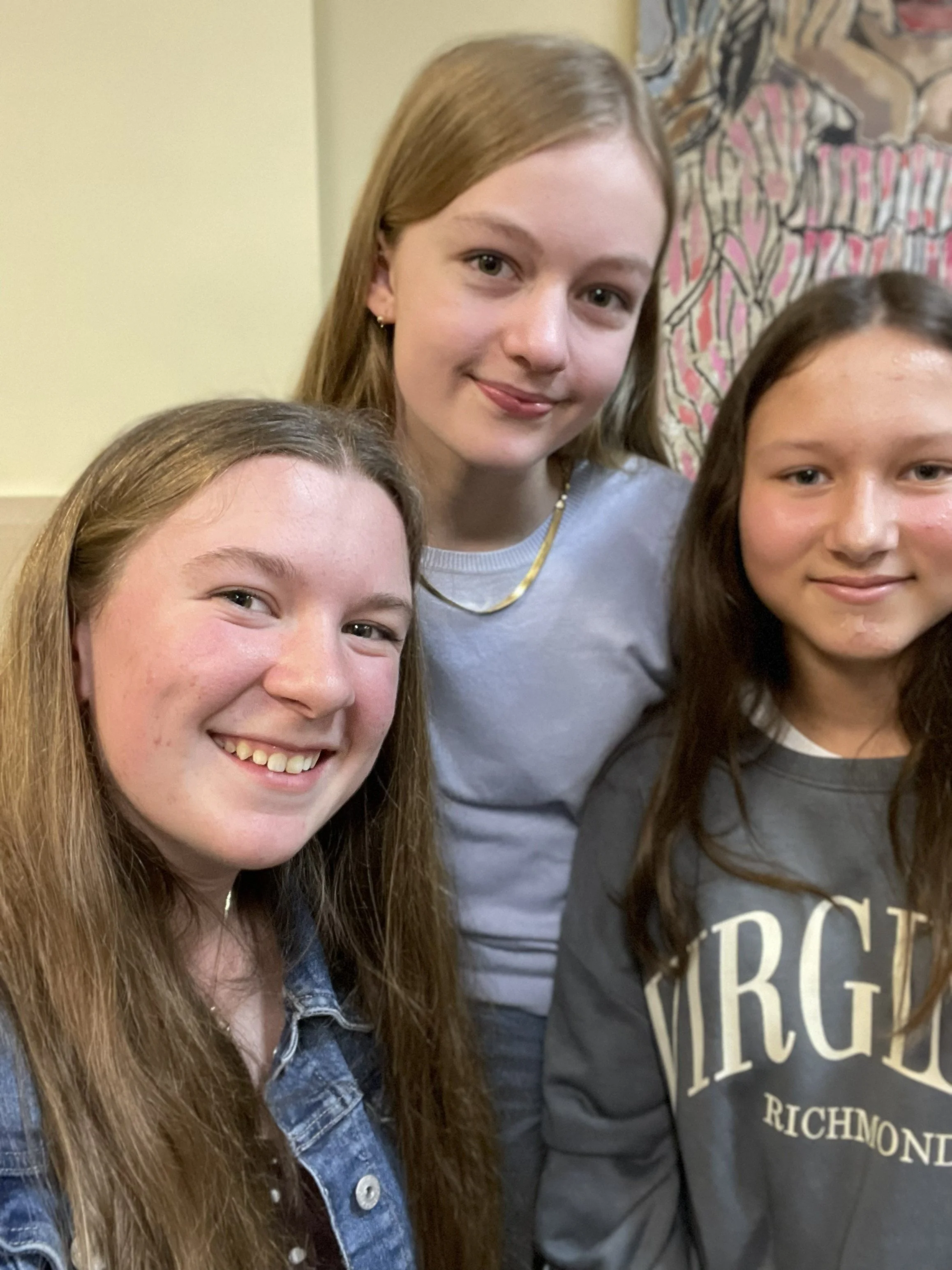
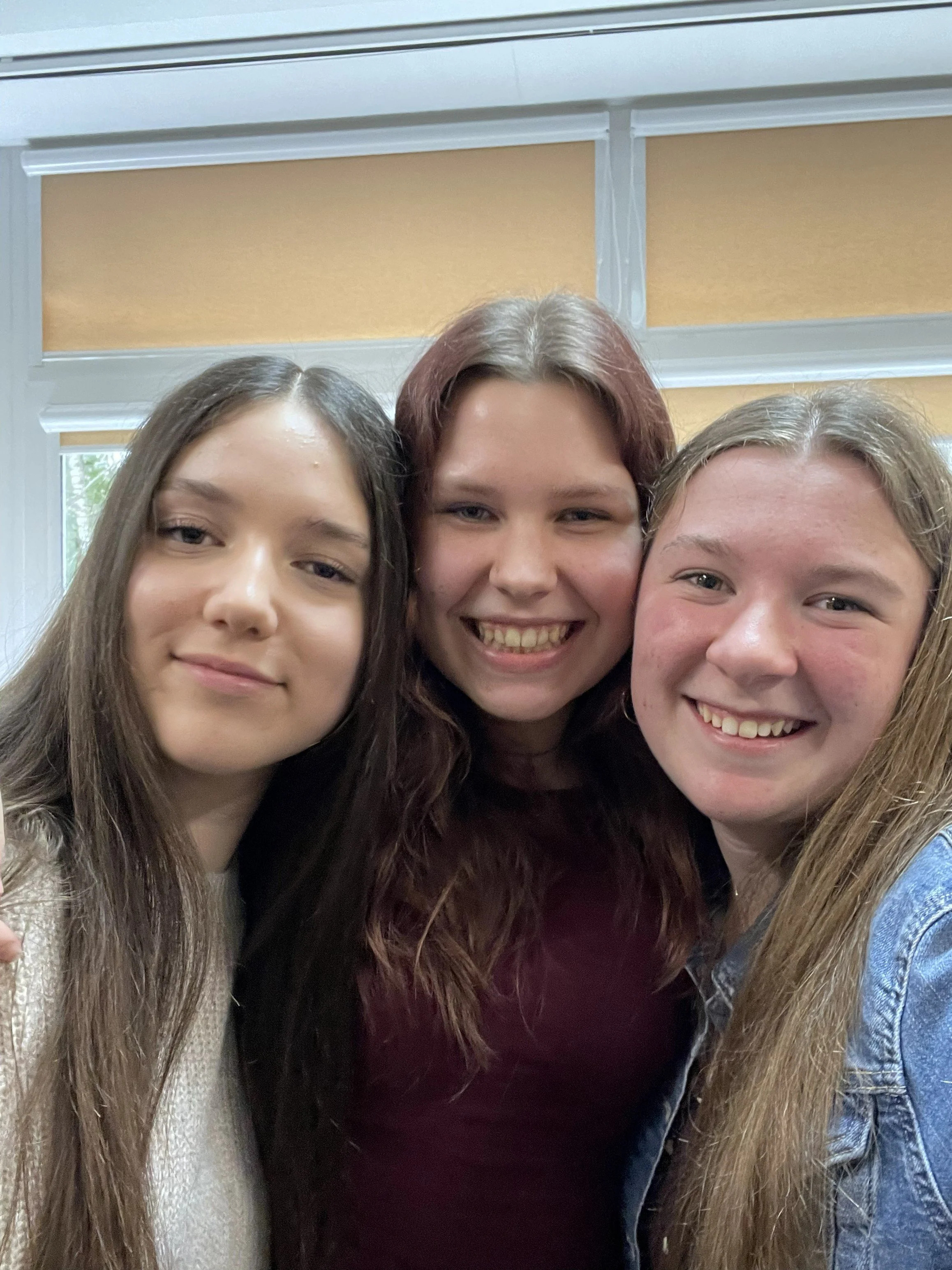
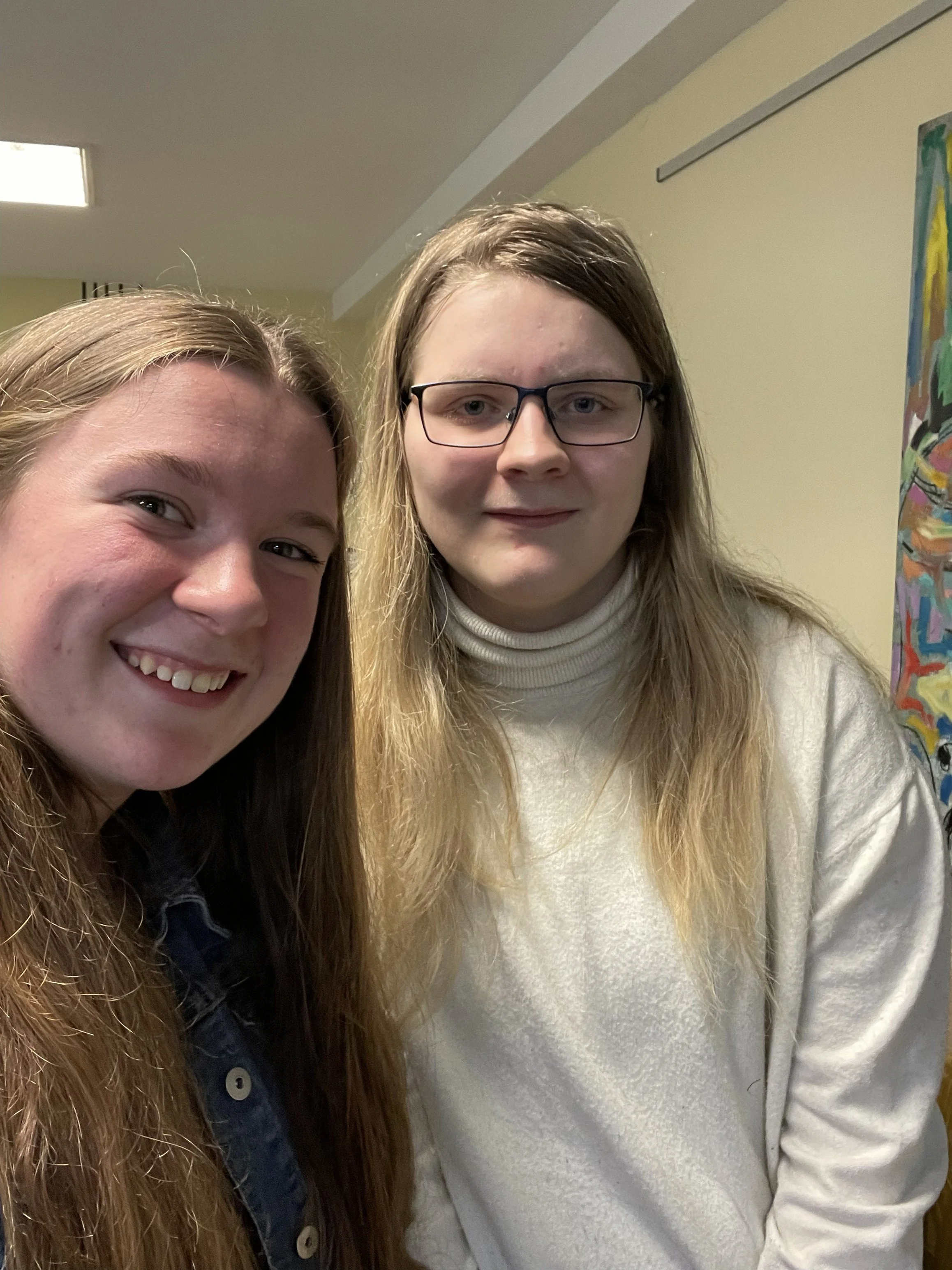
lithunanian choral exchange!
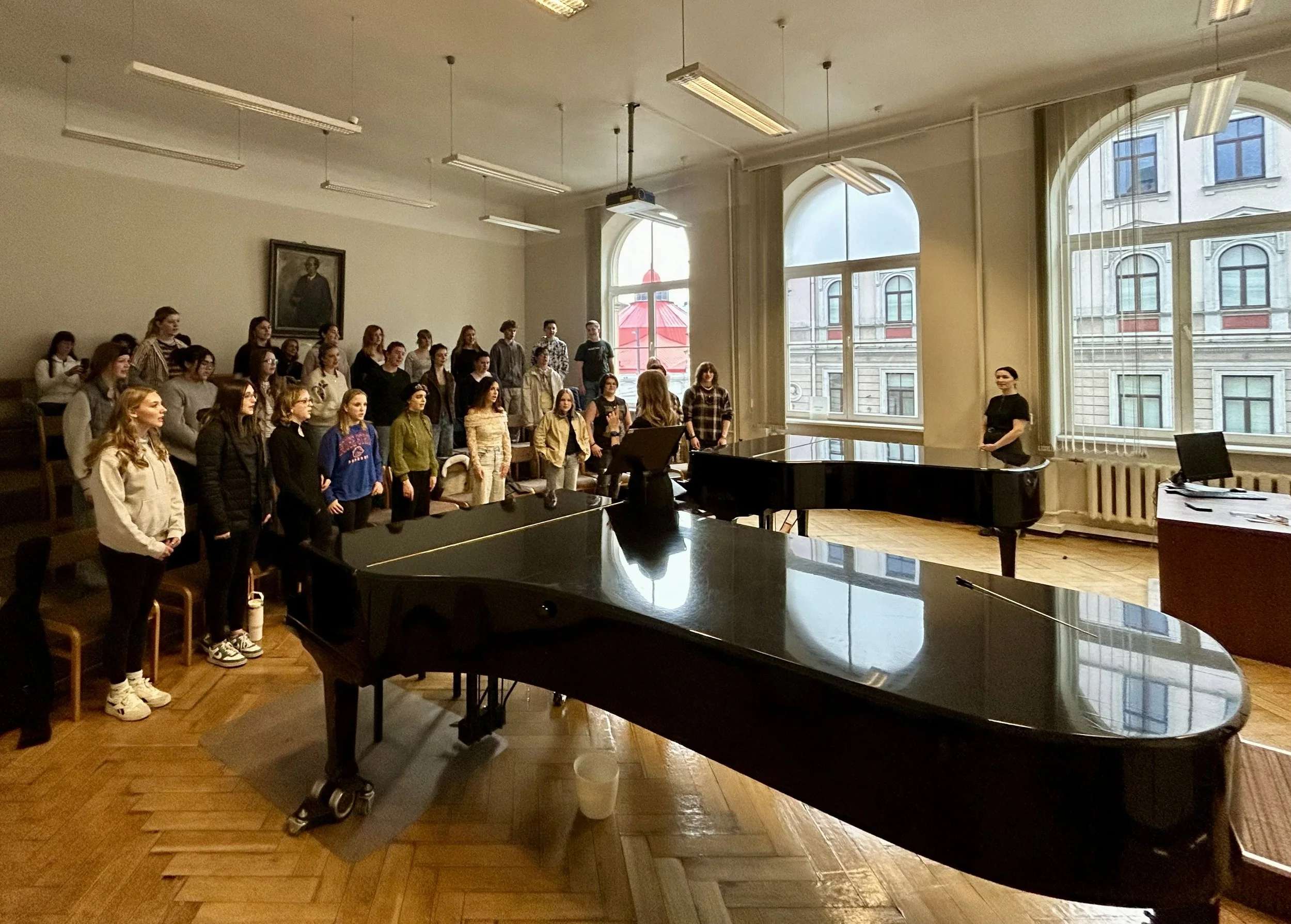
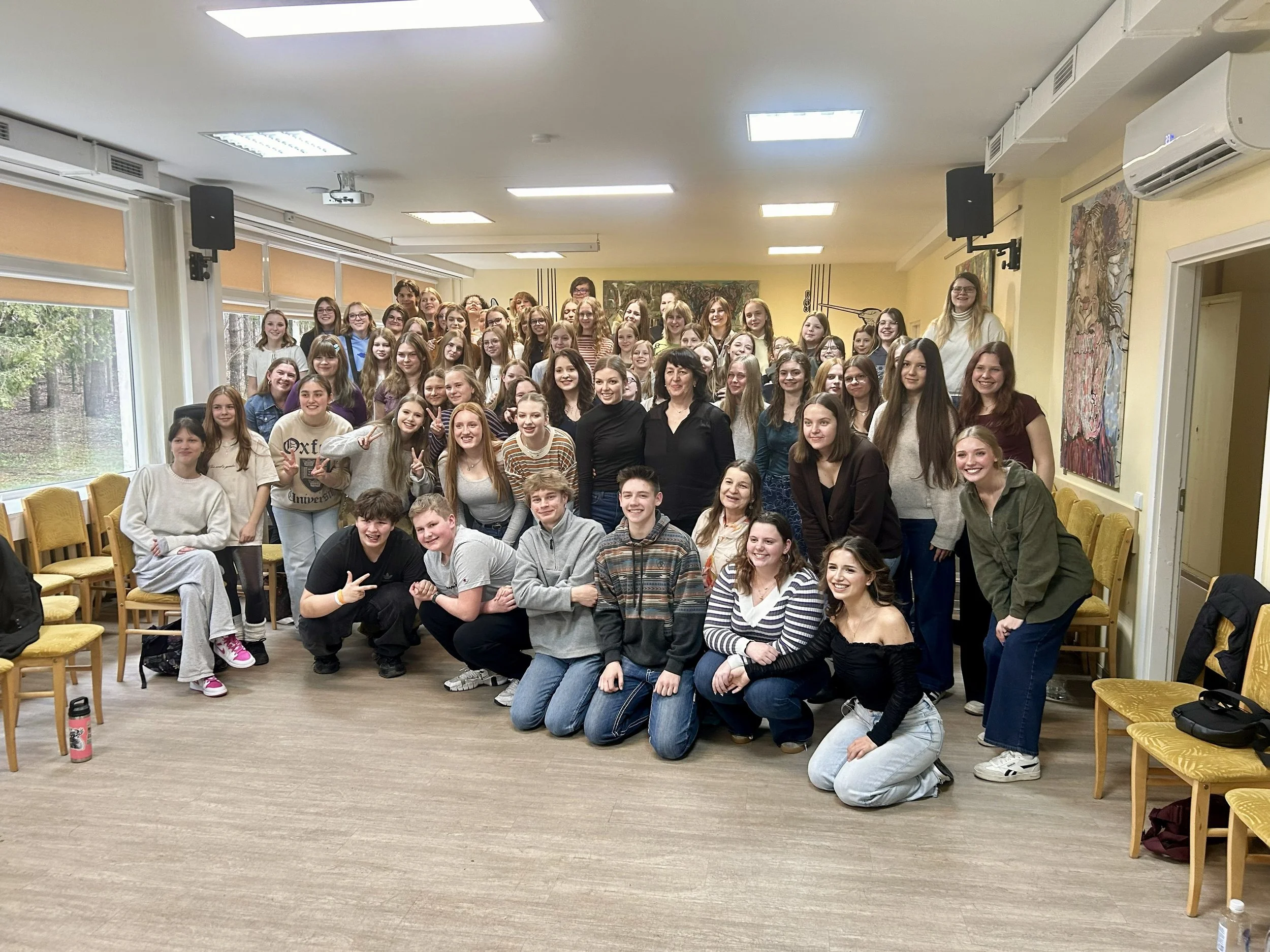
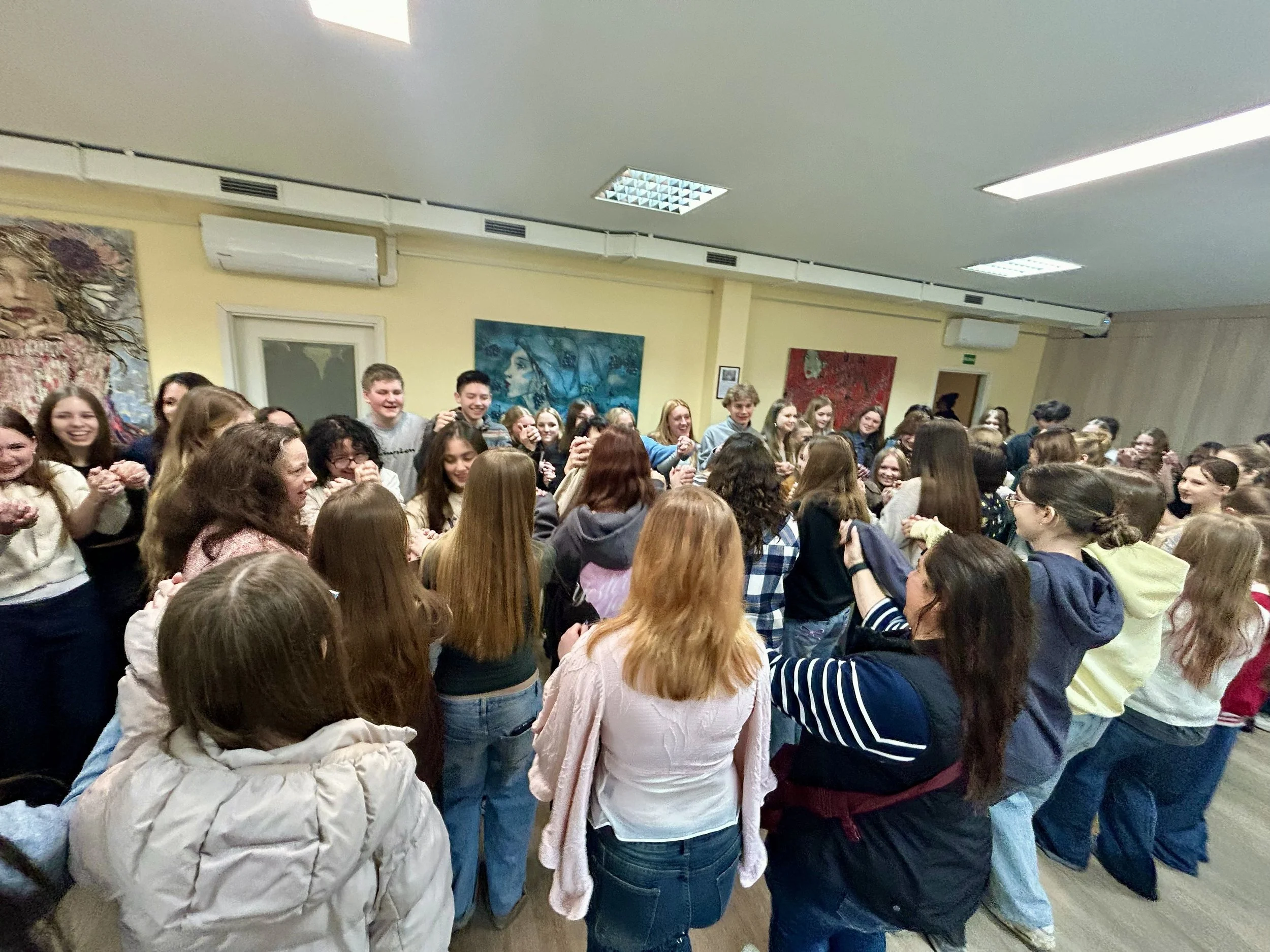
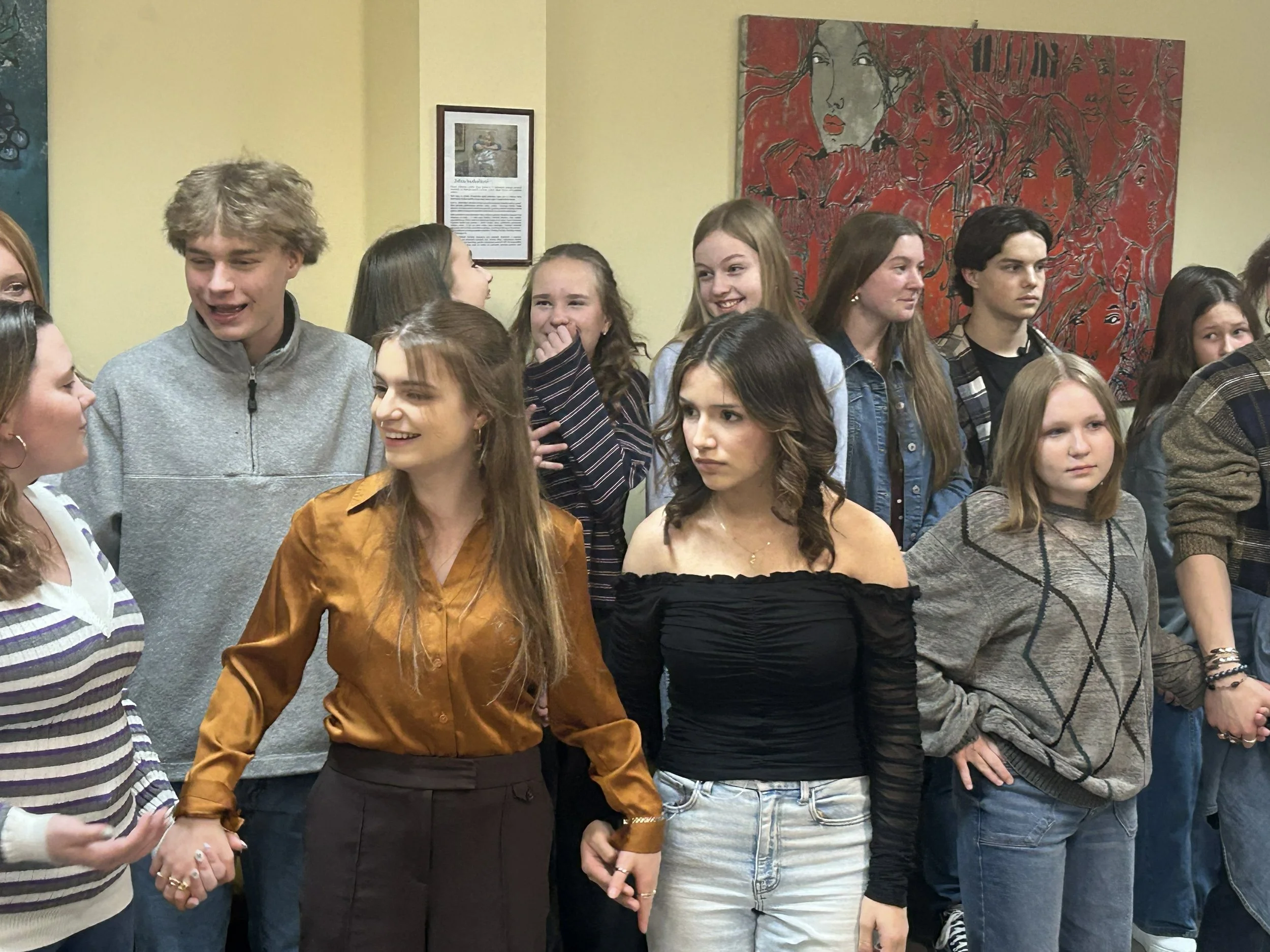
One of the highlights of our tour was visiting a local choir music school in Lithuania for a special exchange. We sang some songs, they sang some songs, and we even taught each other a few warm-ups. After sharing lunch and chatting, I even got some of their contact information so we can stay in touch to this day. It was amazing to see both the cultural differences and the similarities between our choirs, and the next night, they all came to our performance in Lithuania. That made the concert even more special, knowing we had shared music and built connections the day before."
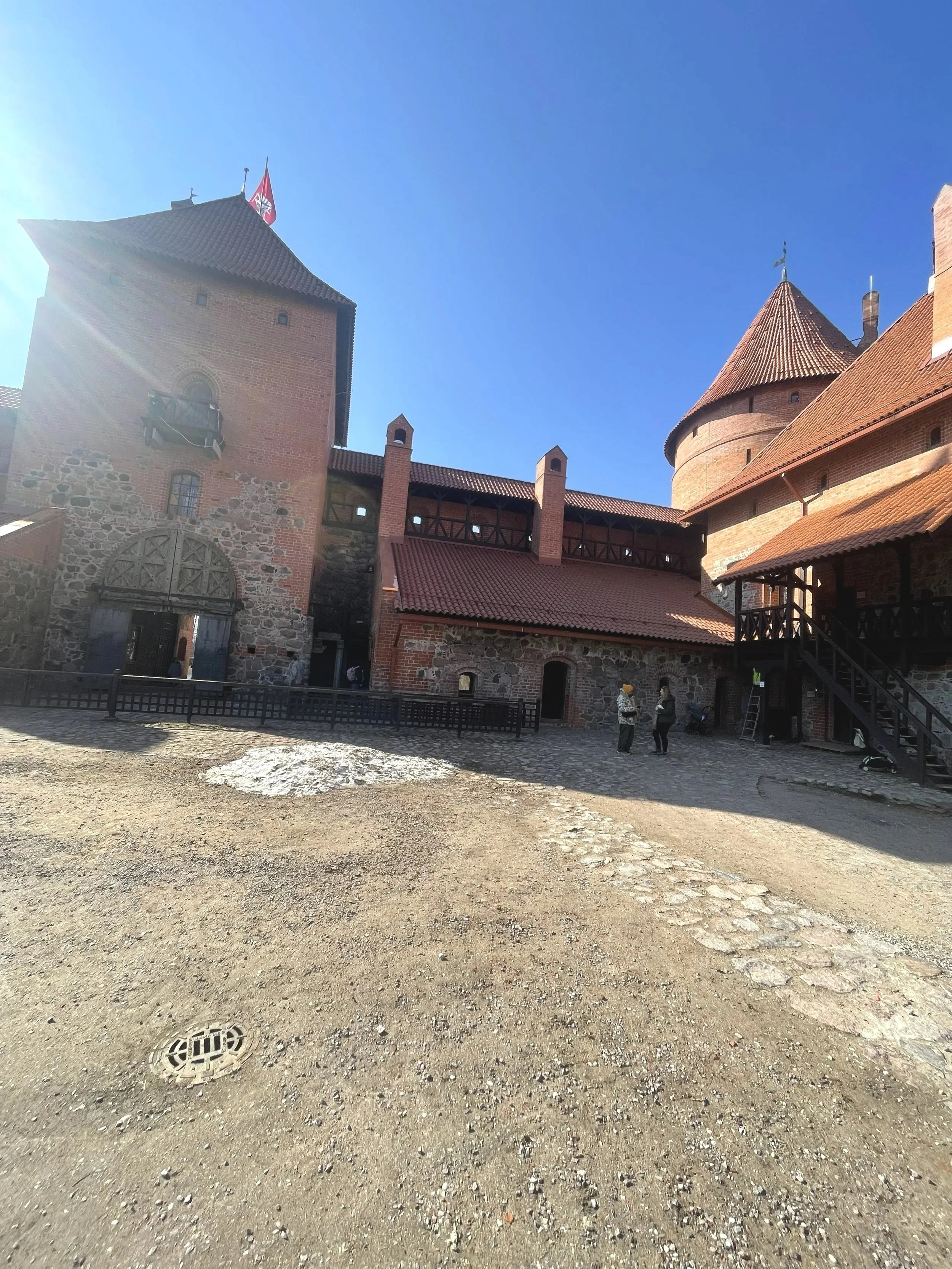
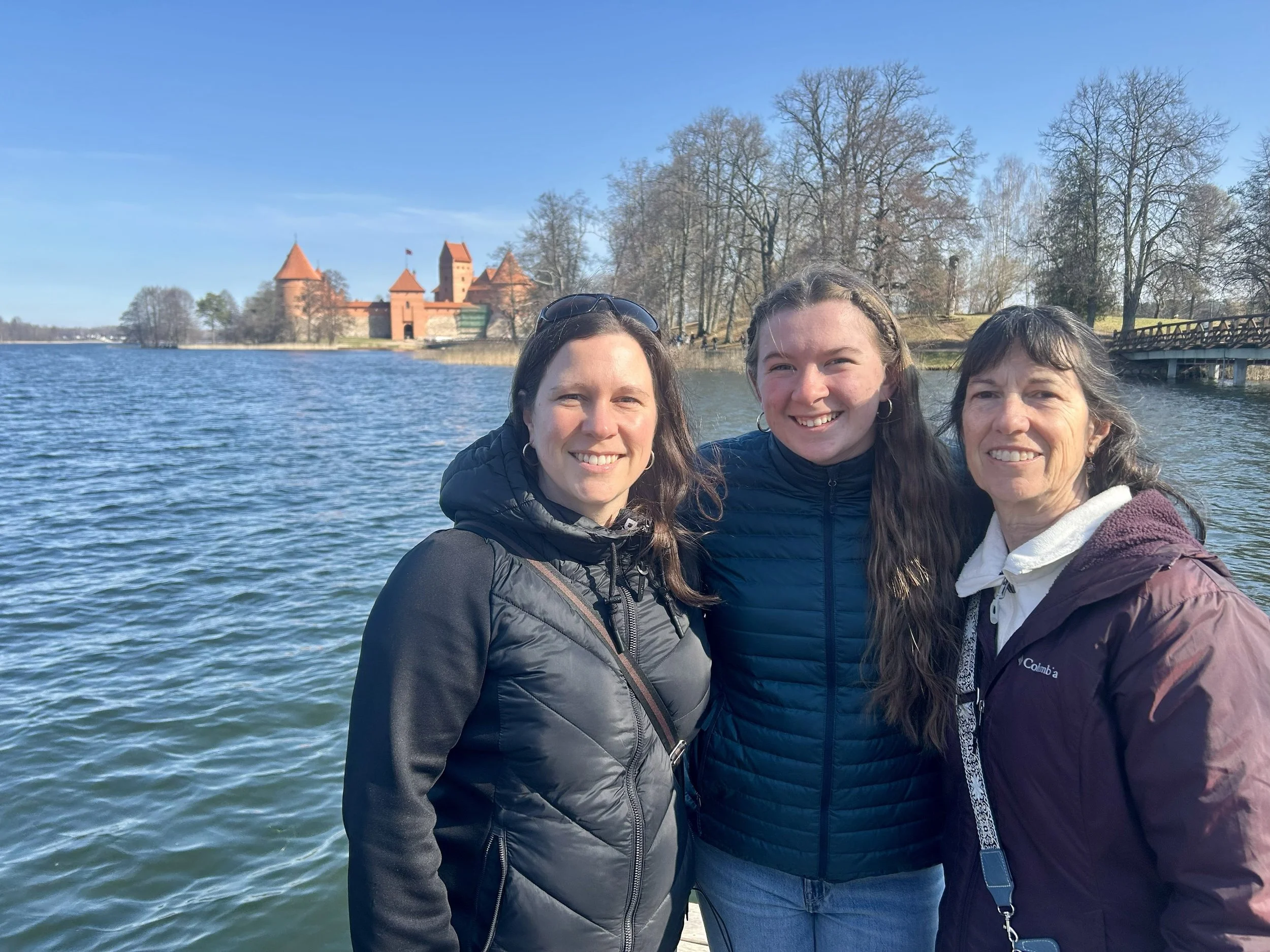
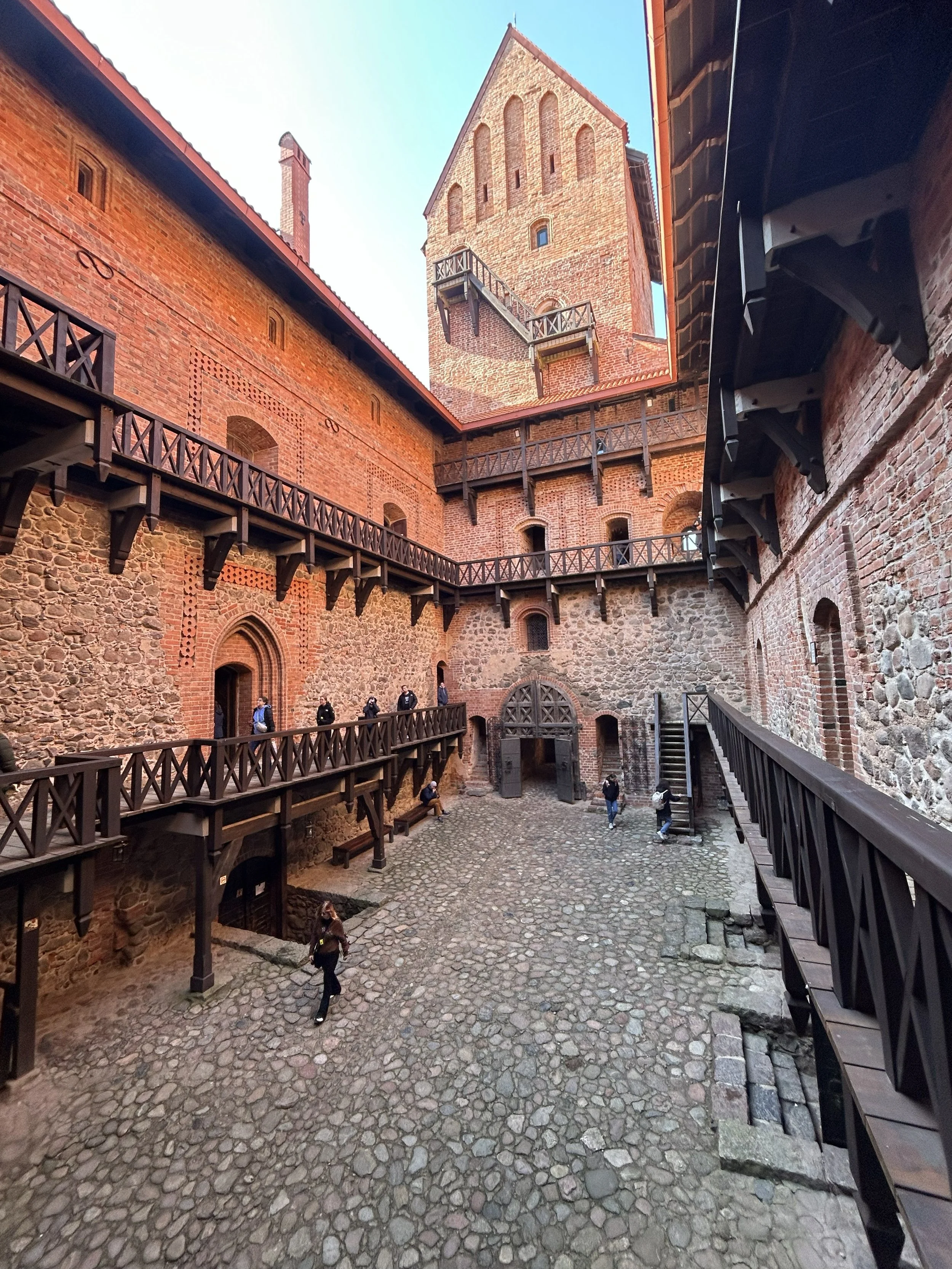
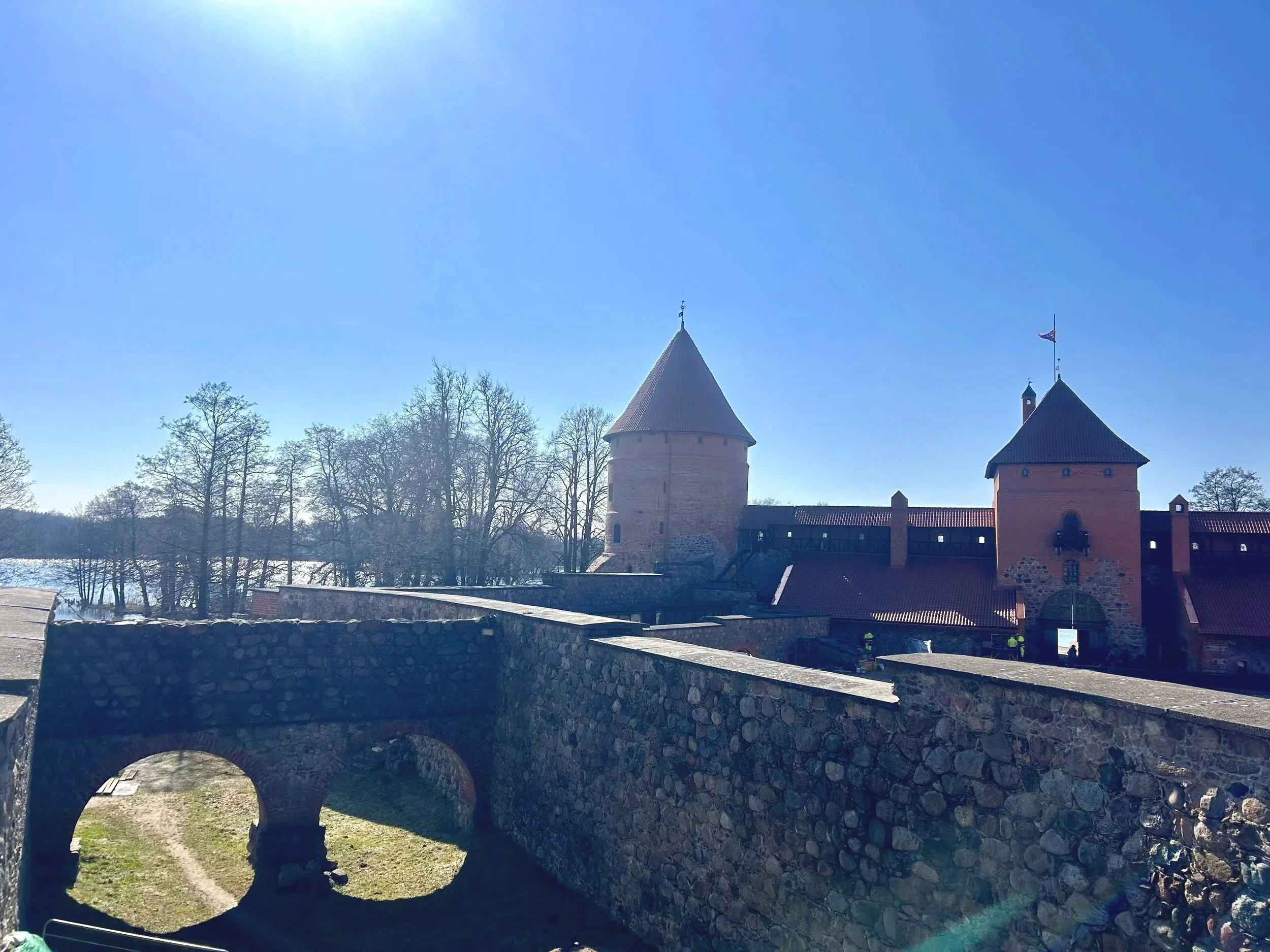
Trakai
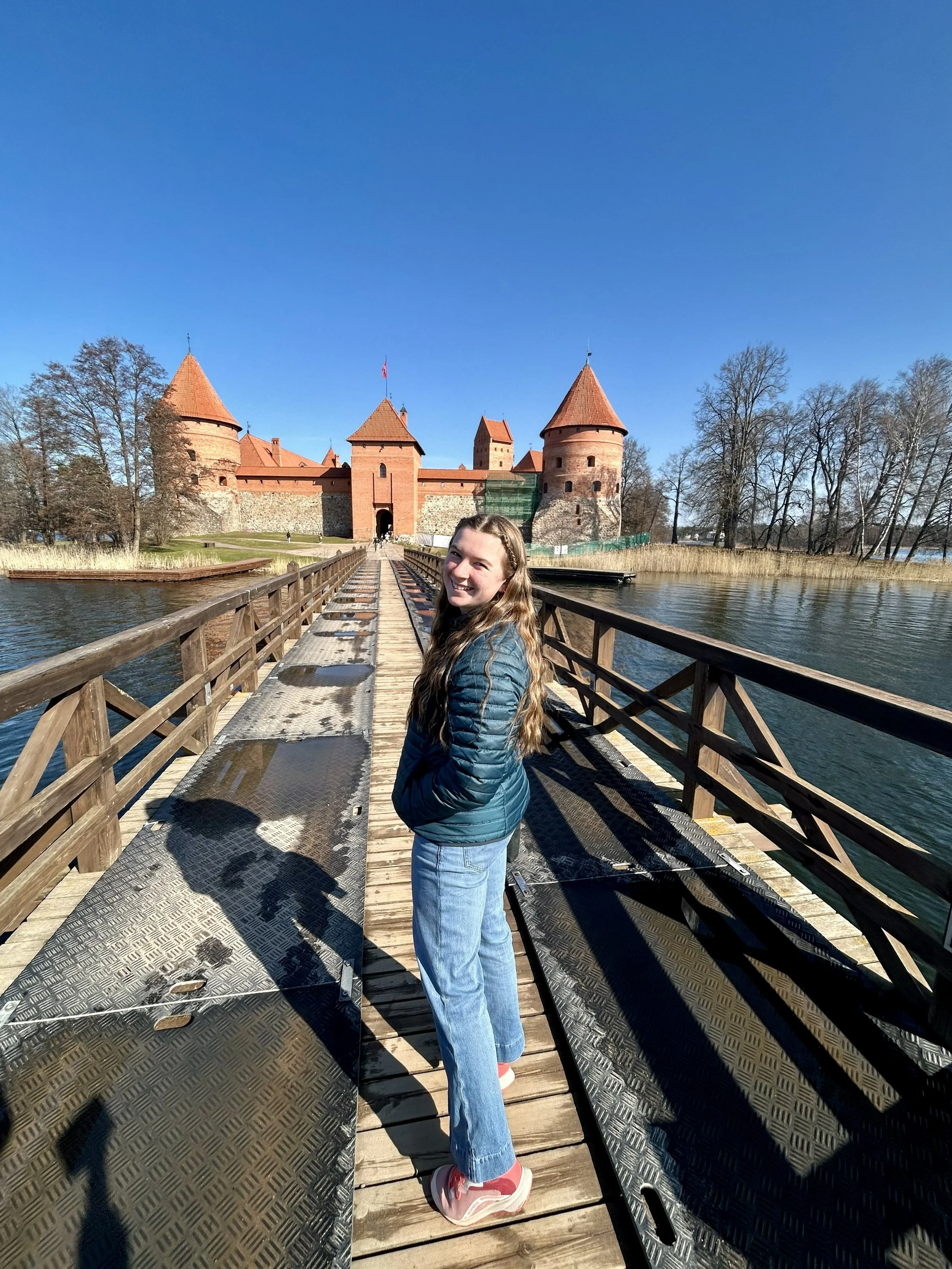
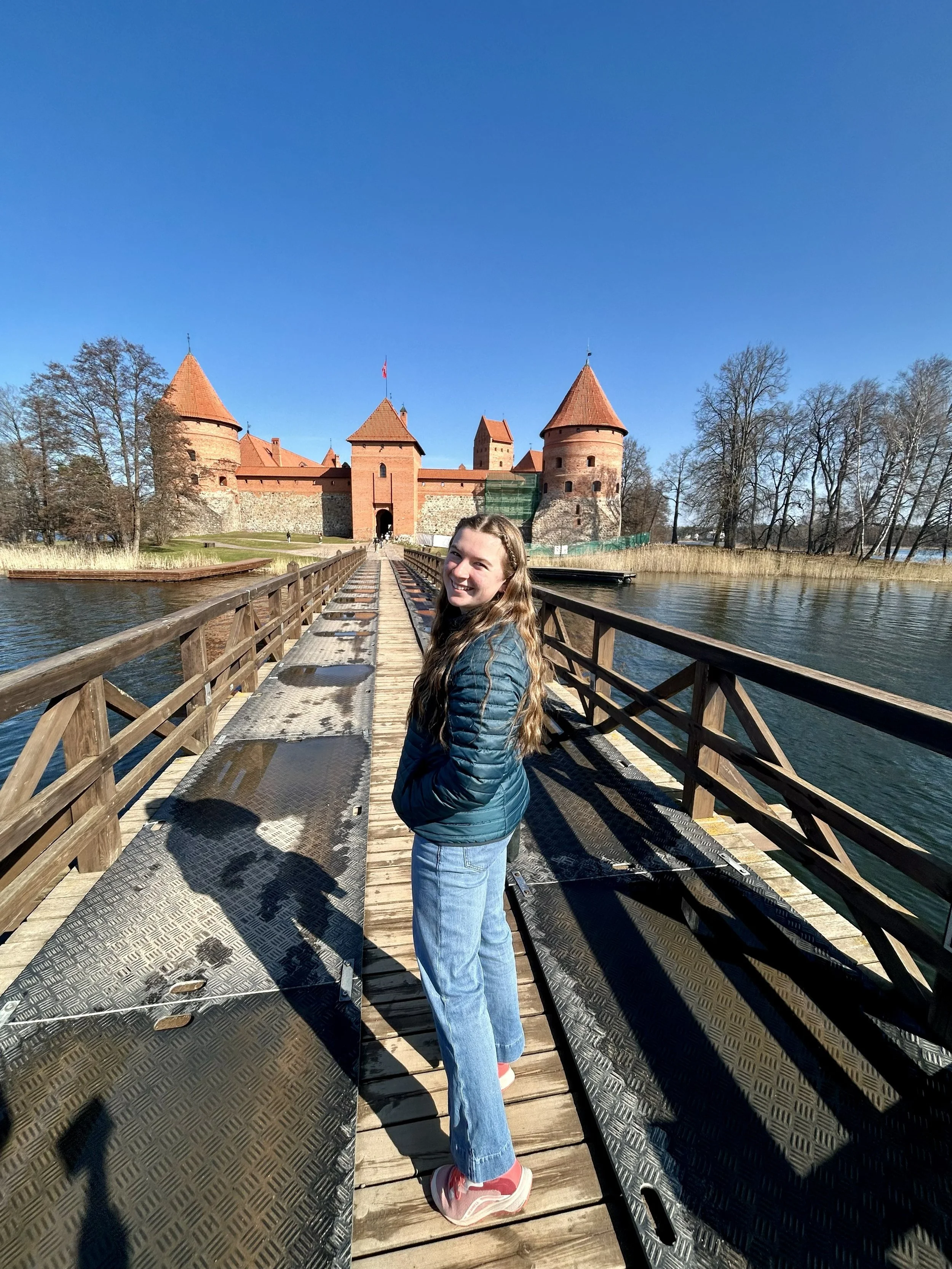
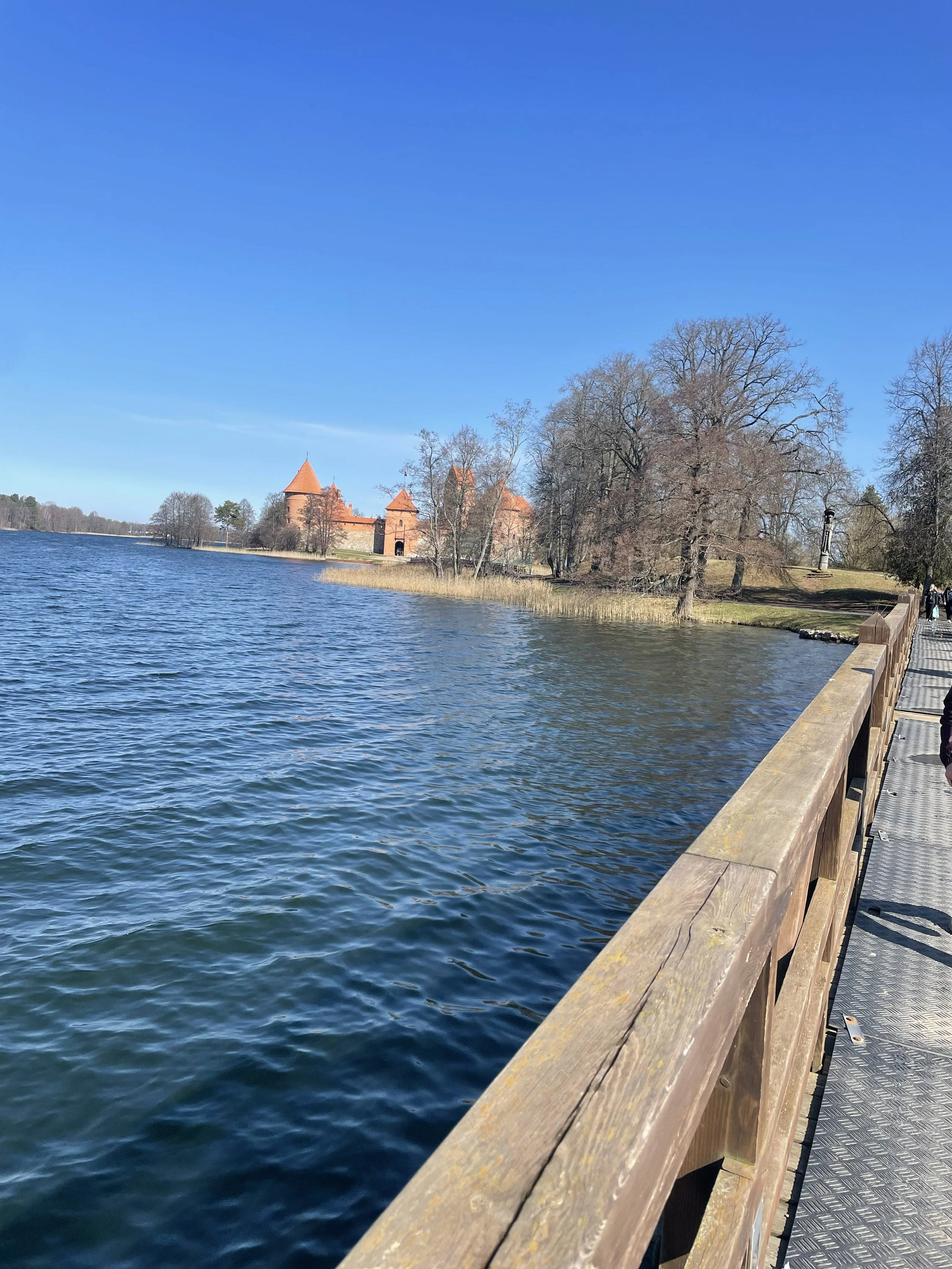
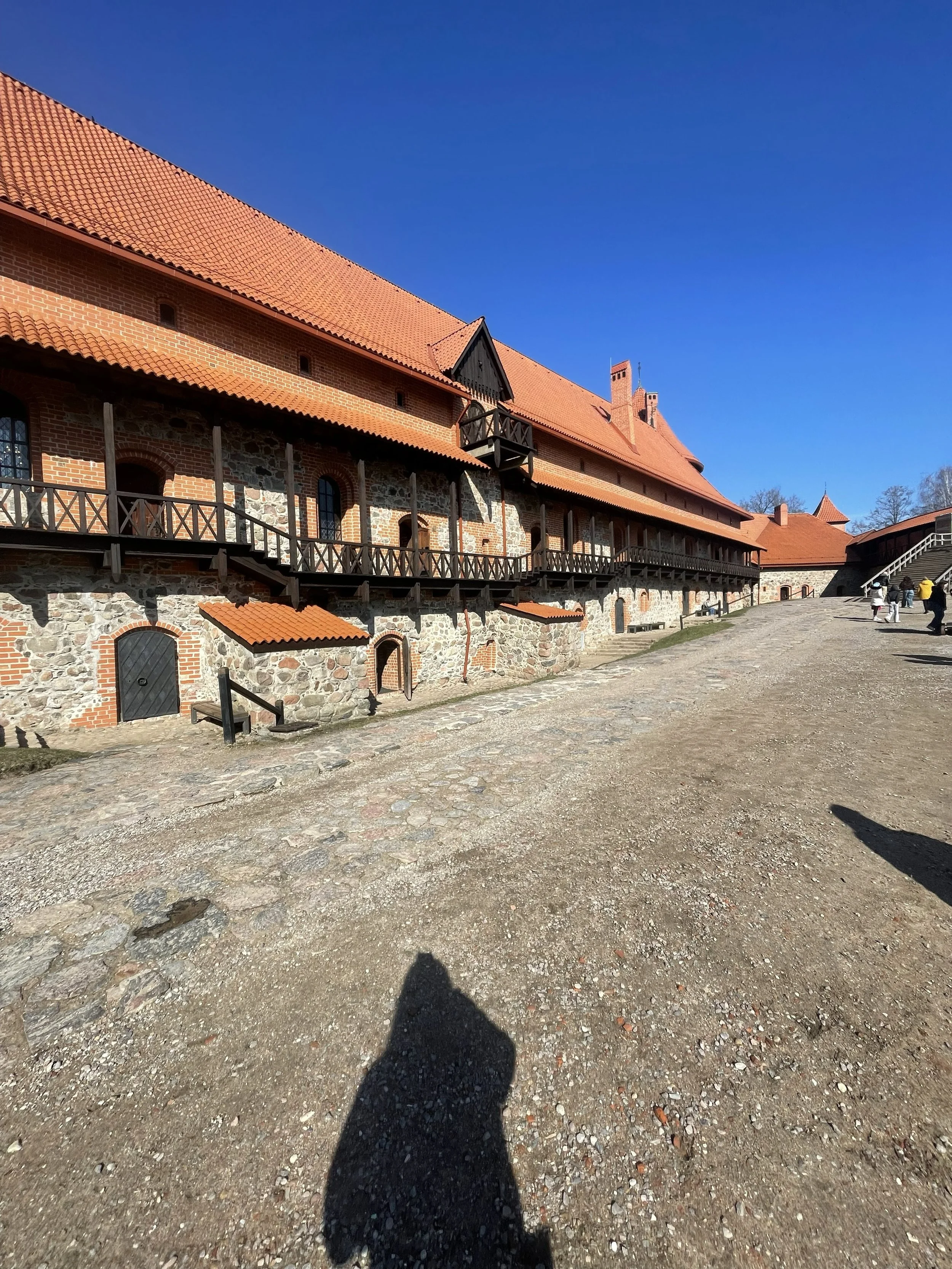
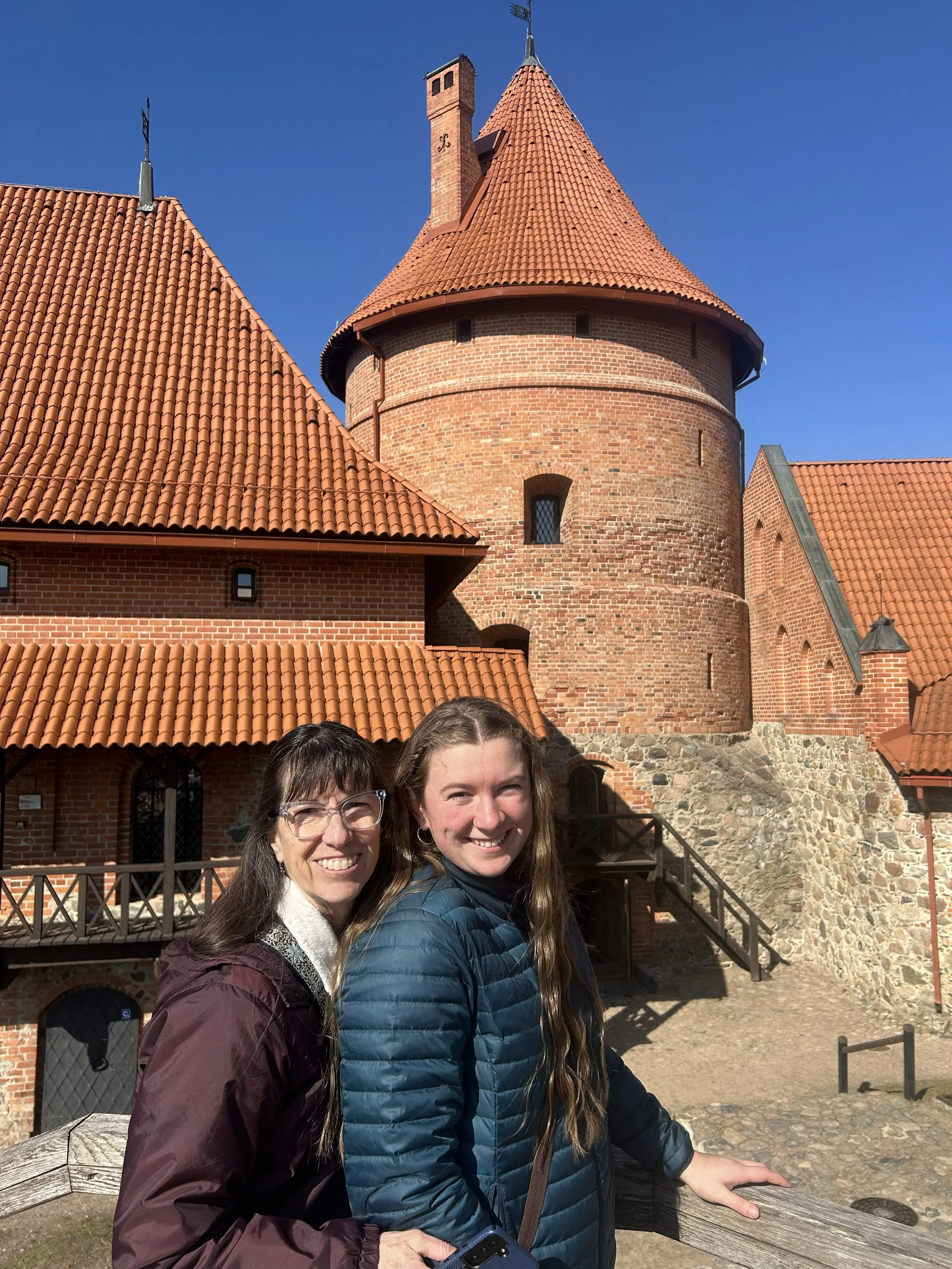
Visiting Trakai Castle in Lithuania was unforgettable. The 13th century castle sits on an island in a peaceful lake, surrounded by beautiful forests and charming little villages. Walking through the castle, you can imagine life centuries ago, and the combination of stone walls and water made it feel almost magical. The local community nearby adds to the experience, with small shops and cafés where you can soak in the atmosphere. Exploring both the castle and its surroundings made it feel like stepping into another time, surrounded by history and natural beauty.
performances
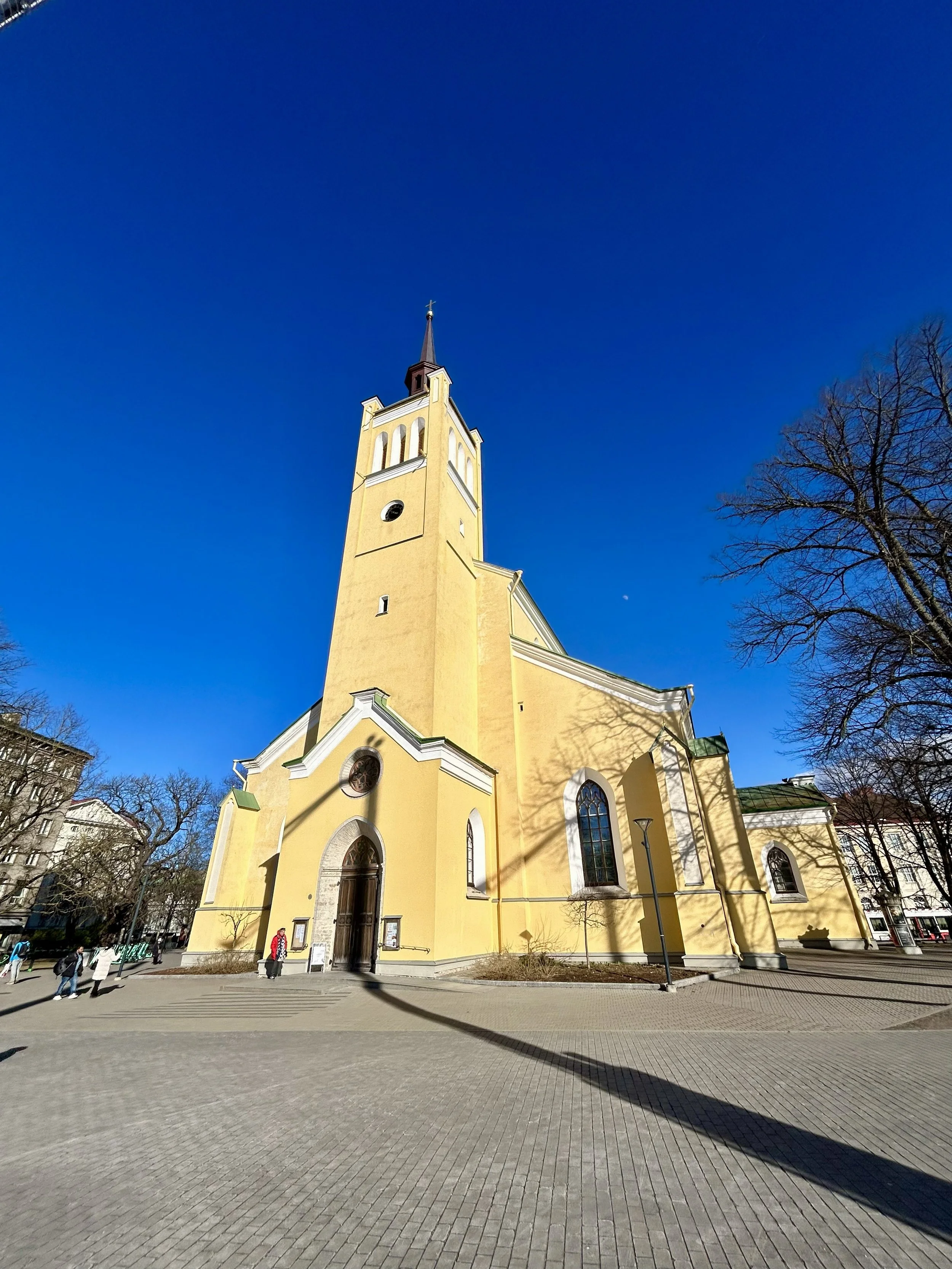
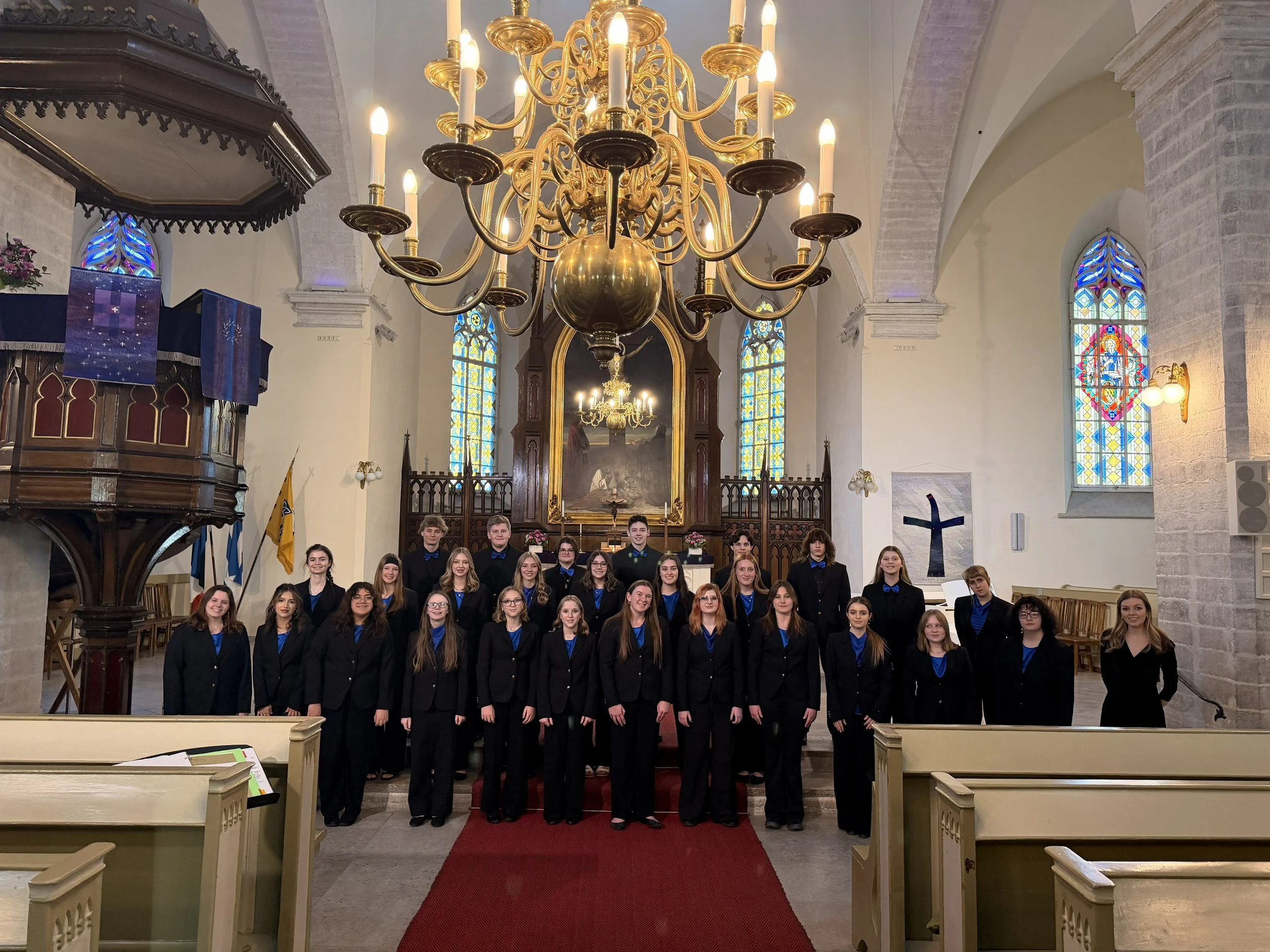
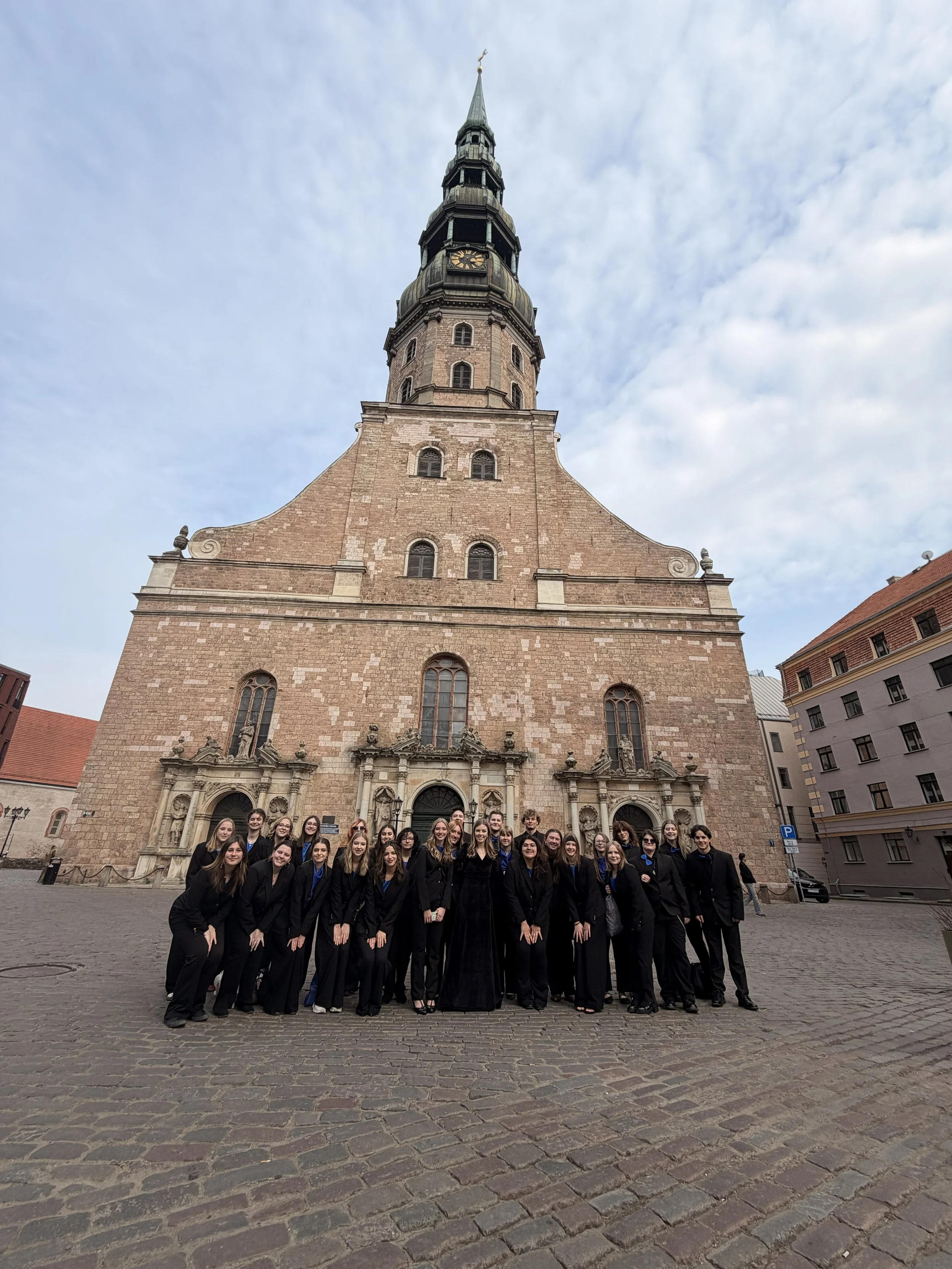
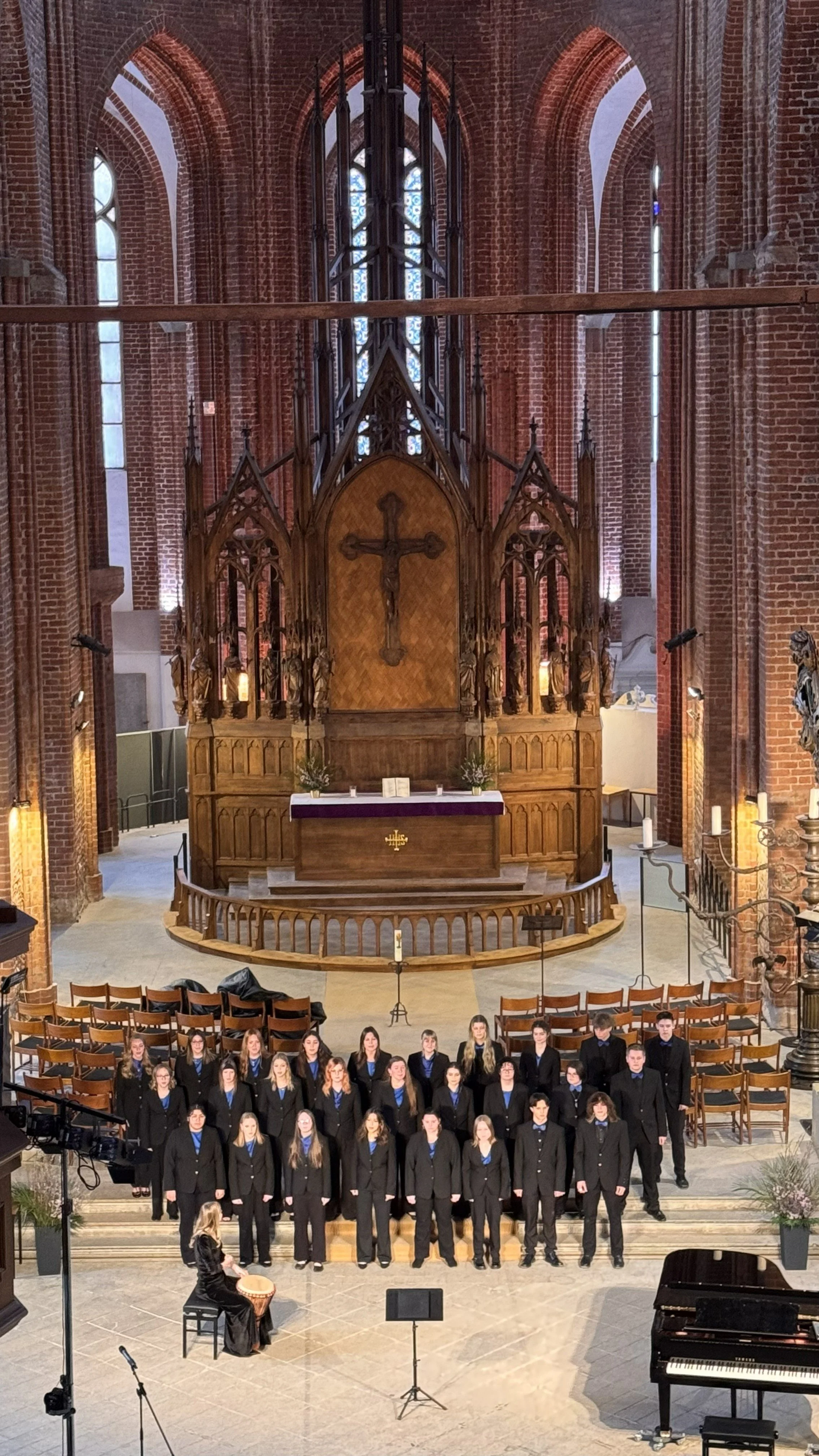
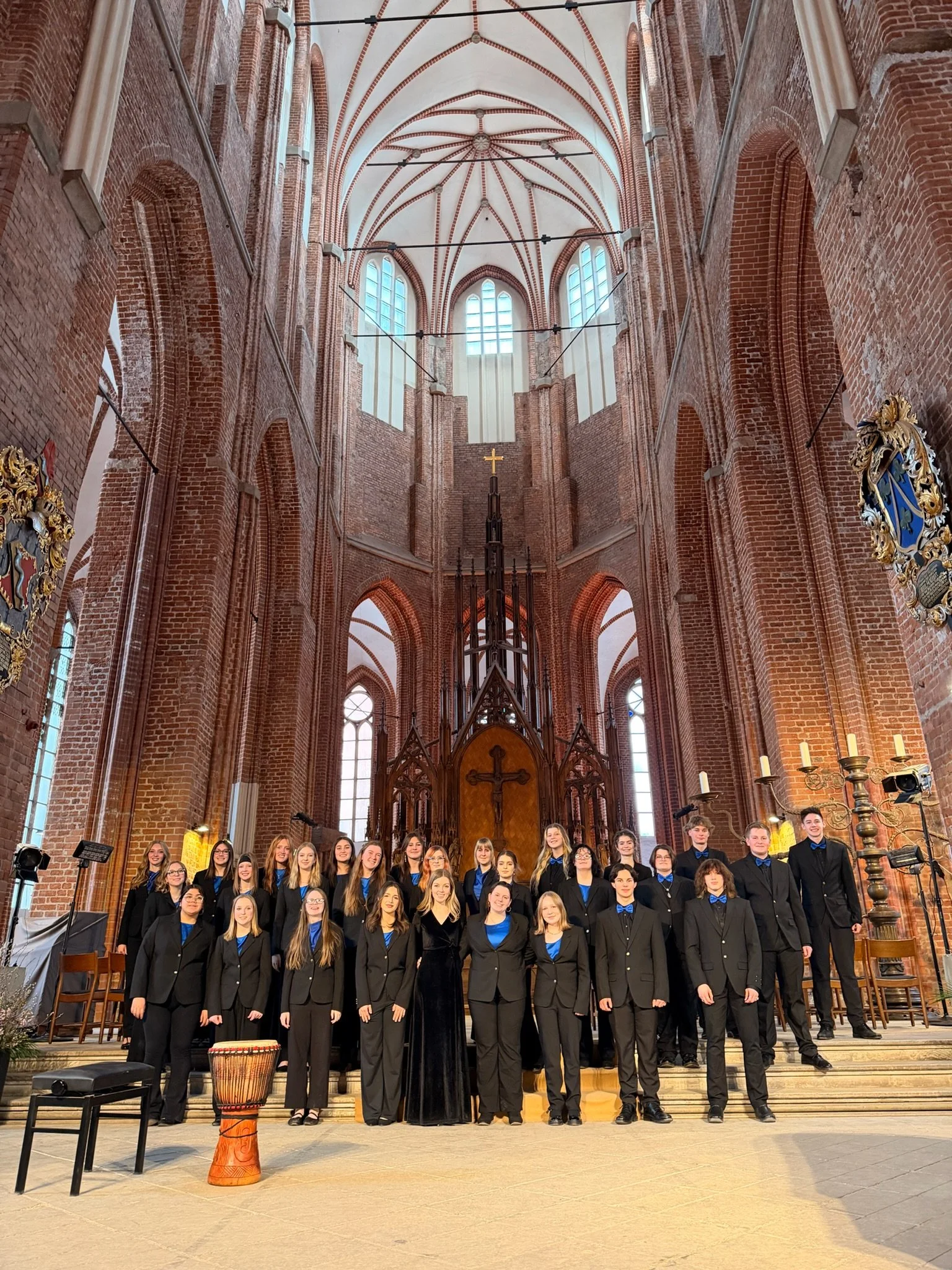
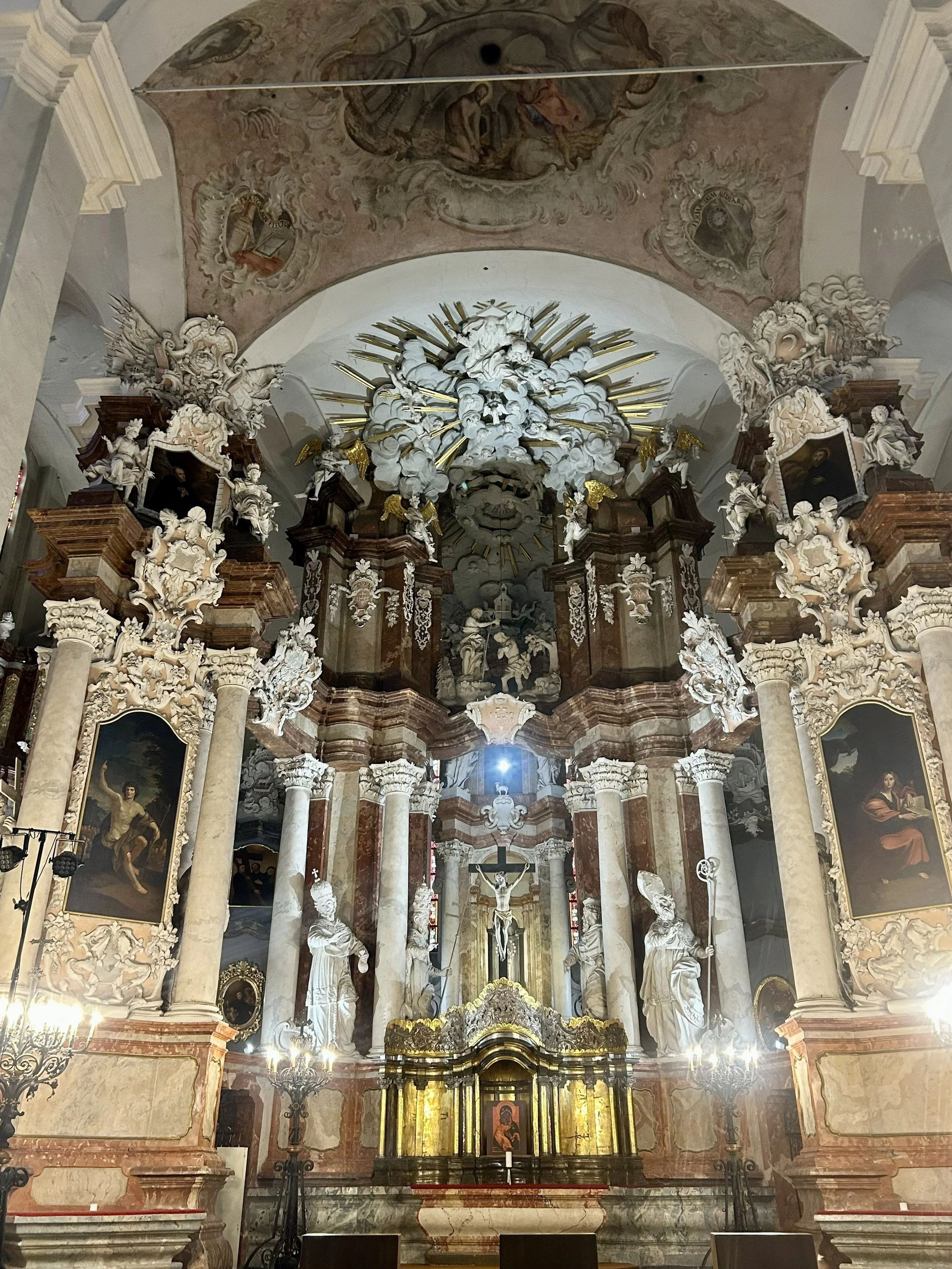
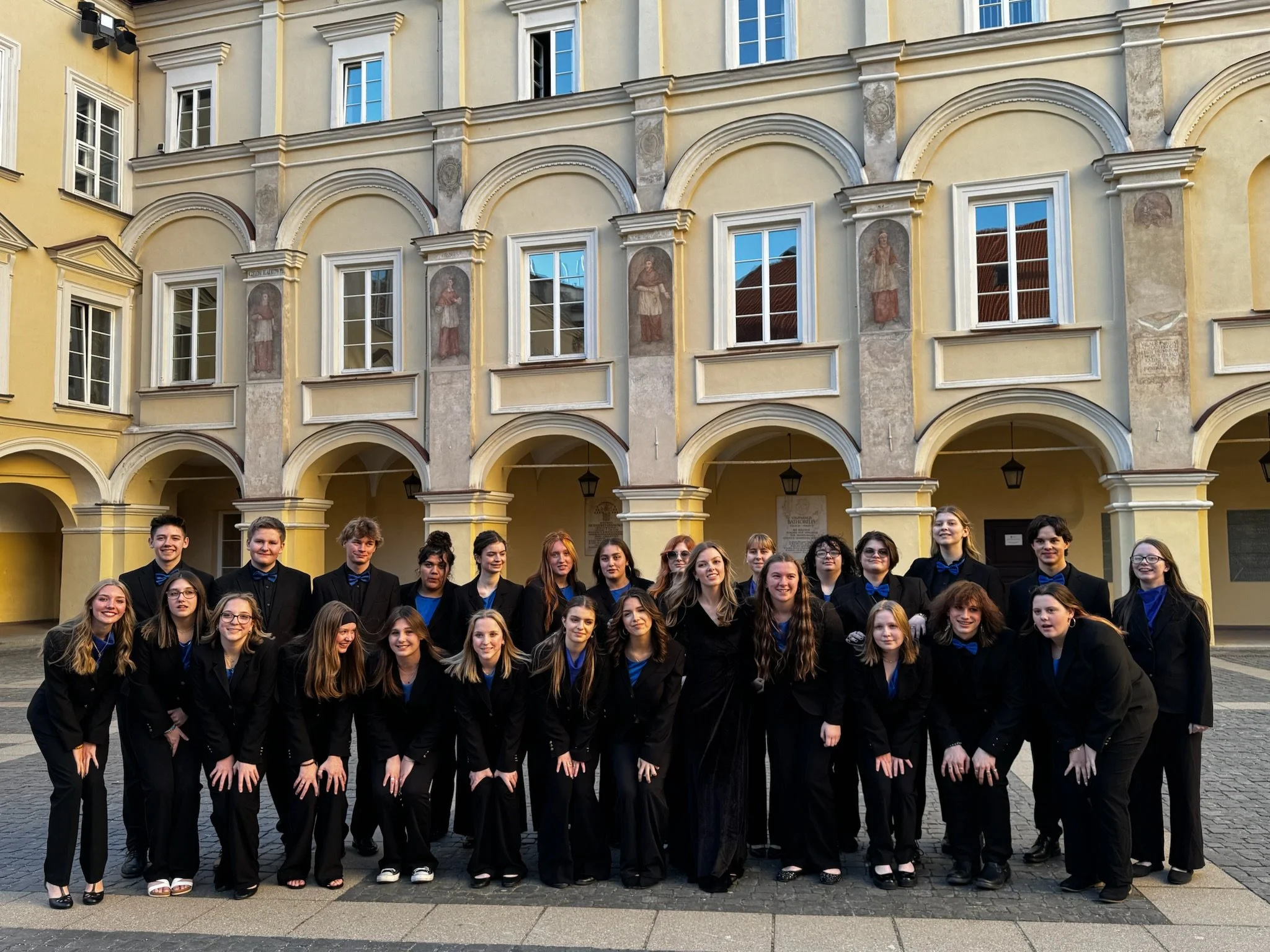
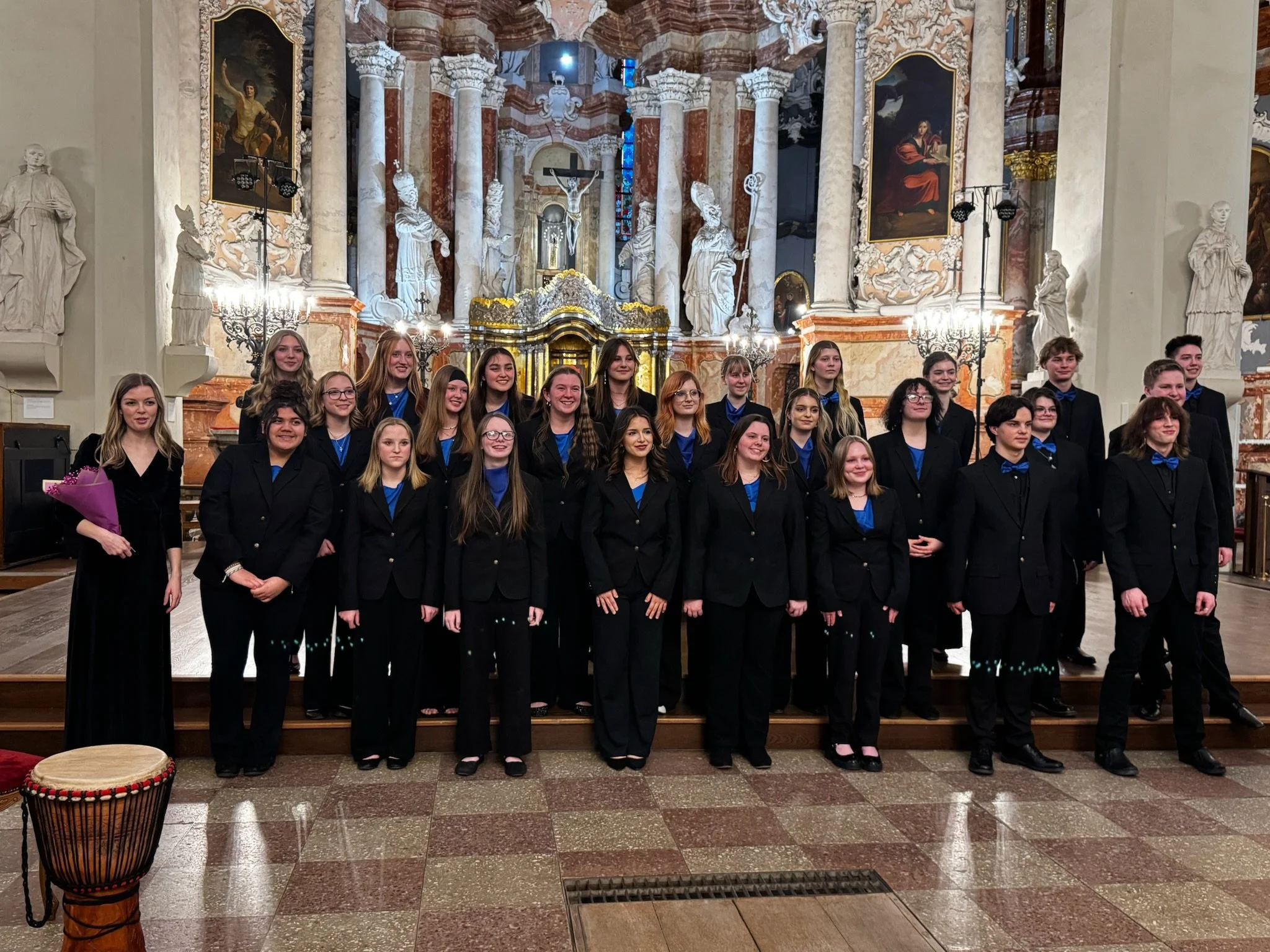
If you want to see hear a few songs from our performance at St. Peter’s Church in Riga, Latvia, just click the buttons below and enjoy!
Some of my favorite memories and things I learned:
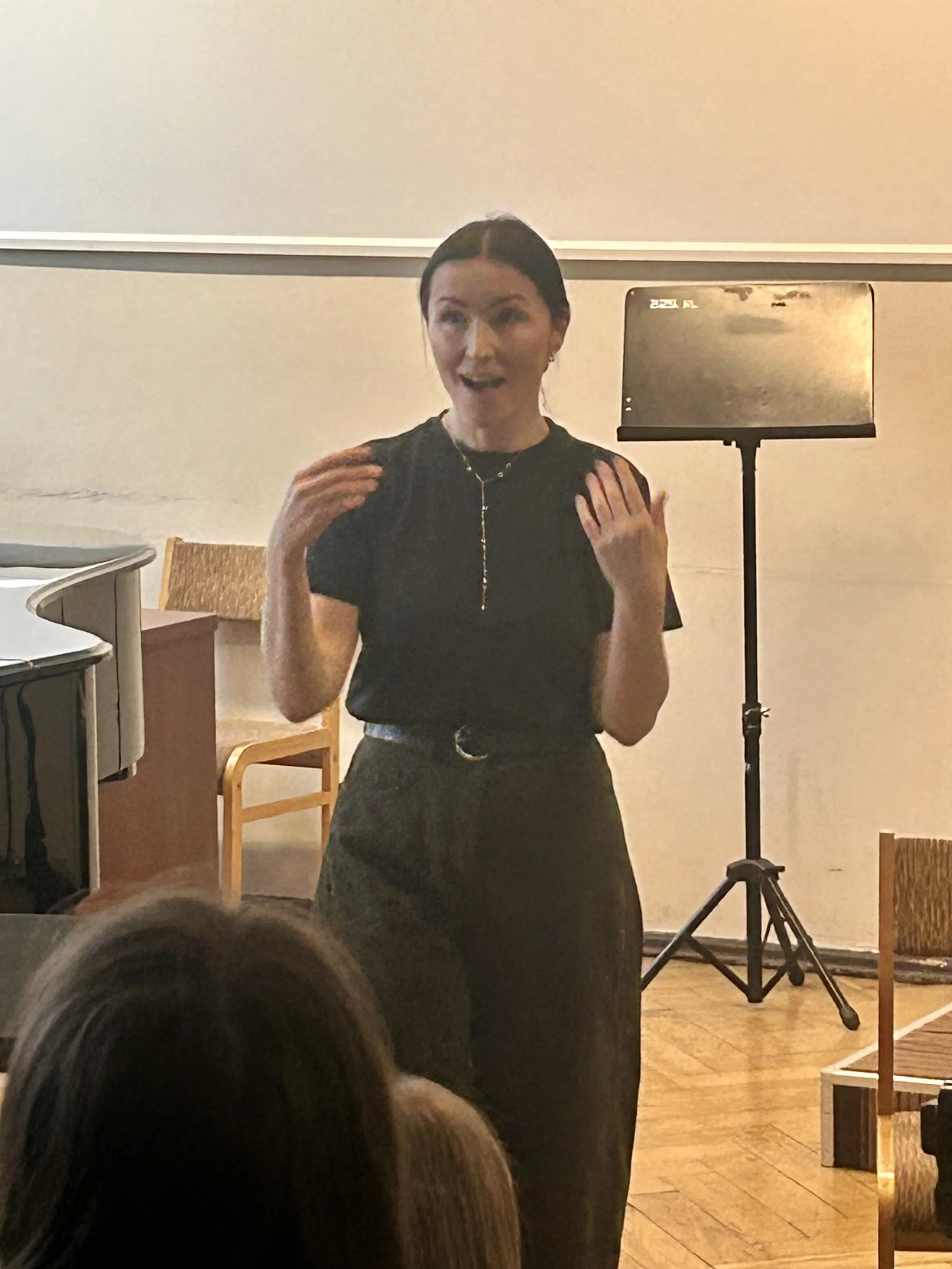
We got to work with the Latvian composer of one of the pieces in our set, Laura Jekabsone, for 2 hours! She was beautiful, talented, so open and real, and incredibly gracious. It was such a fun experience to learn her journey and hear her perspective. She is someone I’d love to hang out with!
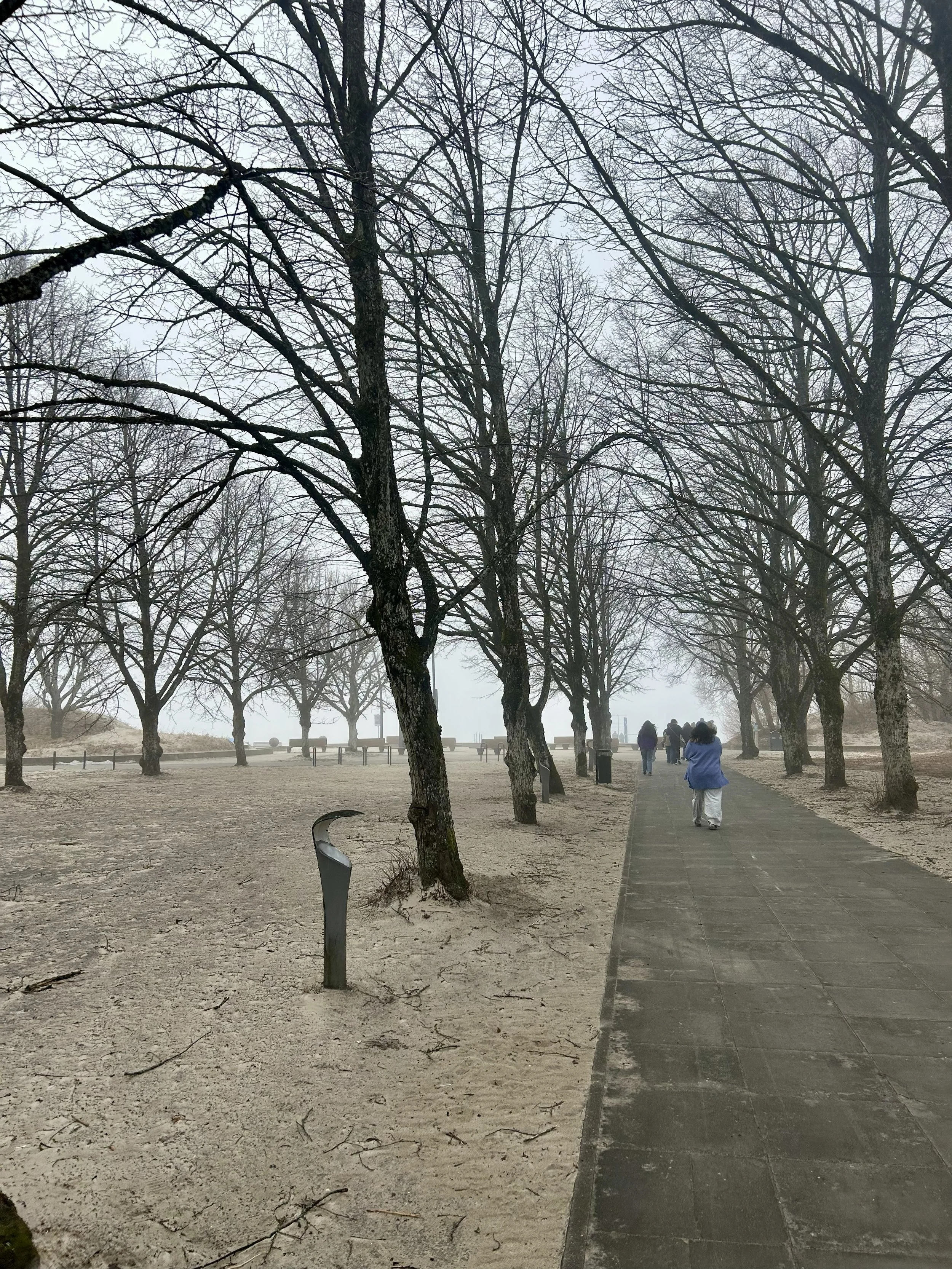
We touched the Baltic Sea in Parnu, the summer capitol of Estonia. It is not summer yet and the sea was frozen! I bet it is a wonderful beach in the summer but, while we were there, the land was just beginning to wake up from winter, and it was cold!
Mom and I had a fun adventure doing self-check in Tallin at the grocery store. We thought we had broken the machine as it beeped at us with what looked like a warning message. Our guide said the message read, ‘Thank you very much!’
I got to spend time with and get to know a bunch of high school students in Lithuania. Most of the students spoke English as it is part of their schooling and I had much in common with them!
Old Towne Estonia looked like a movie set. Old Town Vilnius had a much more modern feel, obviously more urban. According to our guide, the entire city burned for 17 days in 1944 during a period of Soviet occupation when Nazi Germany invaded. So many of the buildings are relatively new compared to the Old Towns of Tallin and Riga.
All of the buildings are connected! It looks like they just keep adding on, but the buildings are also very distinct.
The rich history of occupation, war and independence has led to a shared national pride. Locals are eager to share their stories and their relatively recent history of independence.
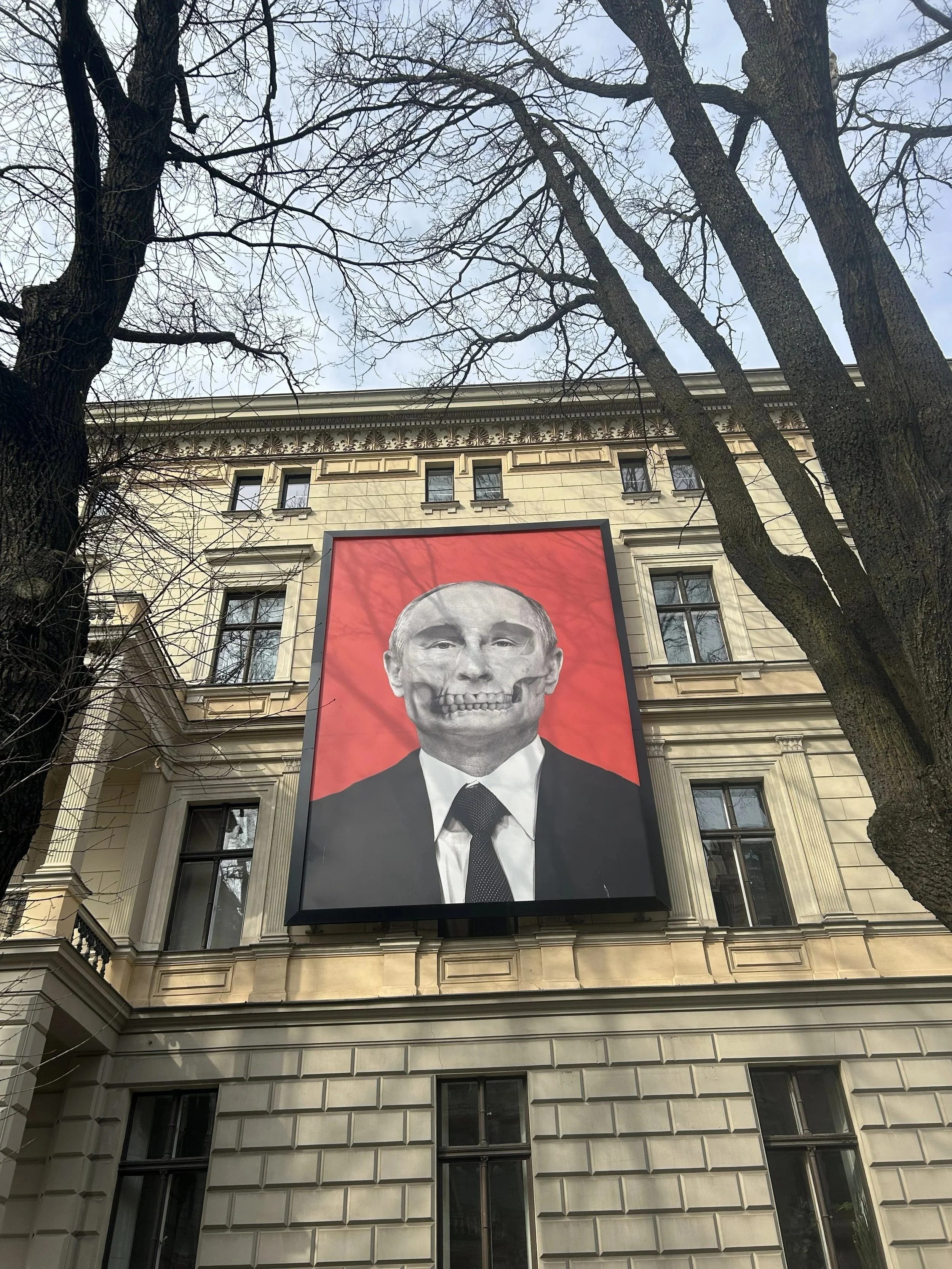
The governments of Estonia, Latvia and Lithuania fully support Ukraine and there is much tension around Russian buildings and churches. In Riga, a large mural of Putin’s head and skull is posted on the wall of the National Medical Institute facing the Russian Consulate across the street. The street separating the two is now named Ukrainian Independence Street.
A very small group of us gave a random performance at the prompting of a local in Old Town Tallin, Estonia. It turns out Elise is studying opera and came to our performance later that night.
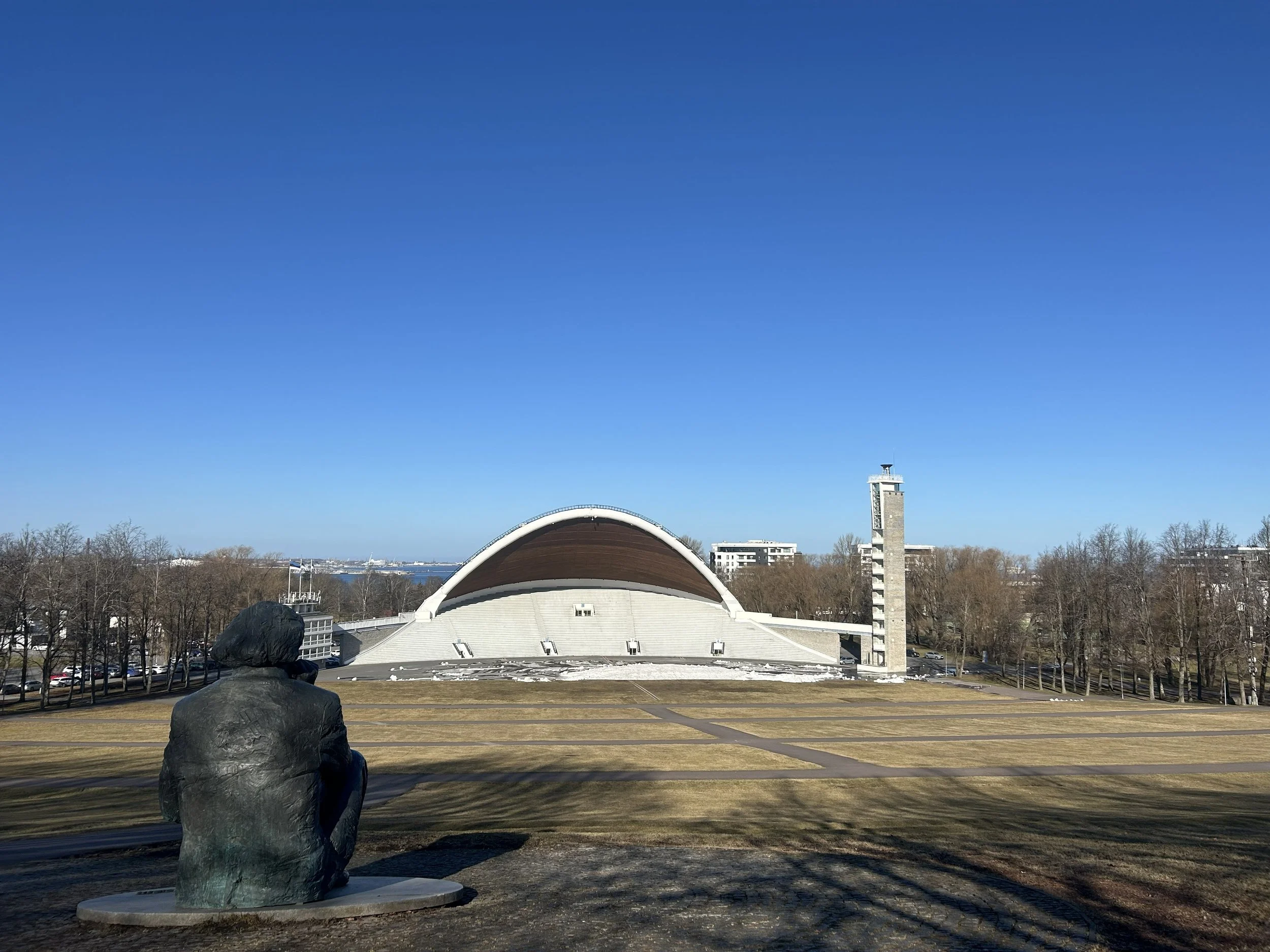
In addition to our formal performances, we sang at the top of the music festival amphitheater in Estonia, in the ballroom at Rundale Palace, and on the street in Riga.
Rundale Palace was designed by F. B. Rastrelli, world-famous for designing the Hermitage Palace in St. Petersburg. The walls are lined with silver and gold. Walking through the palace made us almost feel like we were there. It is amazingly well-preserved with clothing, books and artifacts from the 1700s. It has managed to avoid damage in all the different conflicts and occupations, mostly because it’s in the middle of nowhere!
Members of the Baltic states sing for joy in a shared appreciation for freedom every year at massive music festivals in each country. Estonia only has a population of 1.3 million, but more than 100,000 participate in their music festival annually.
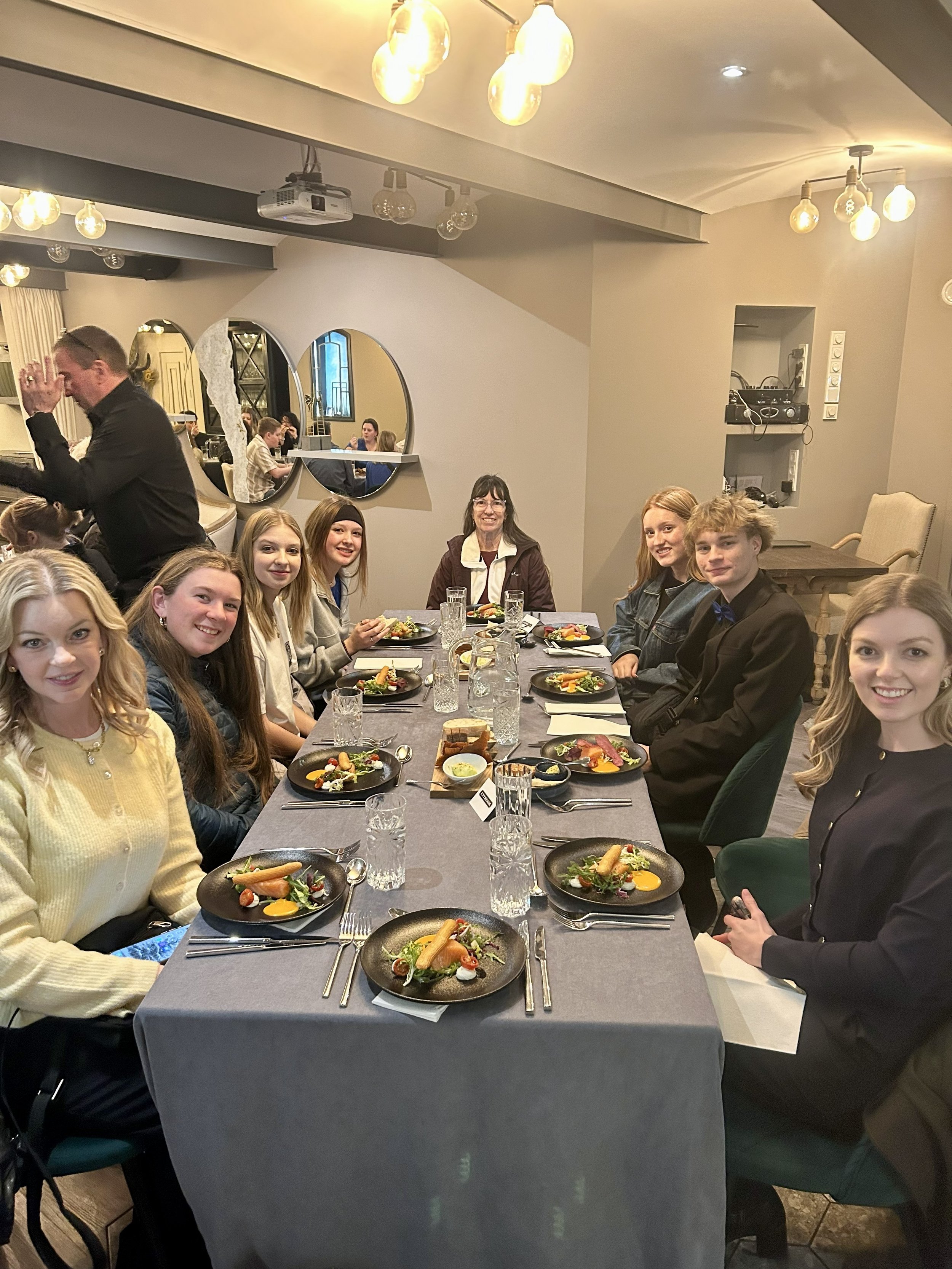
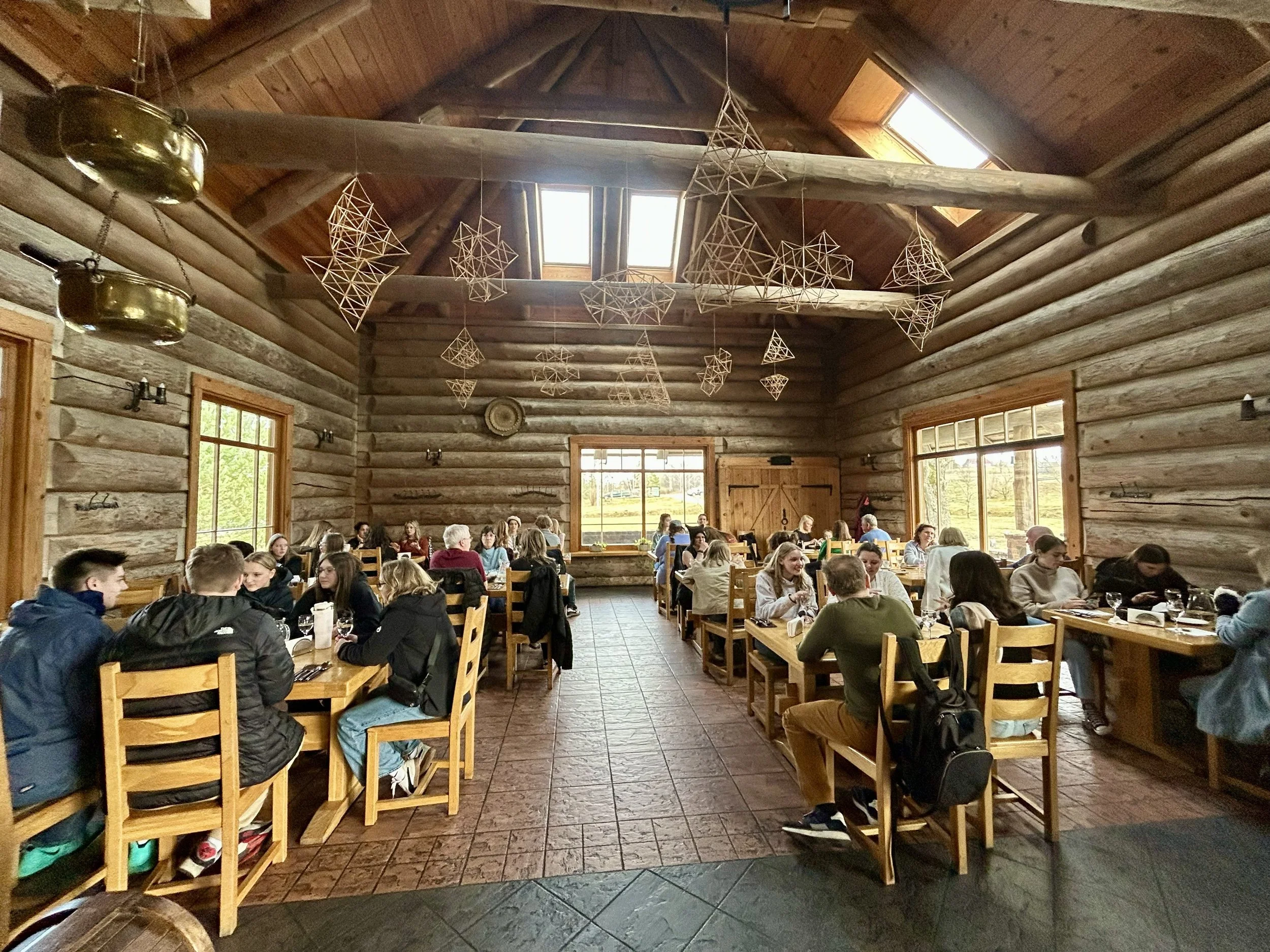
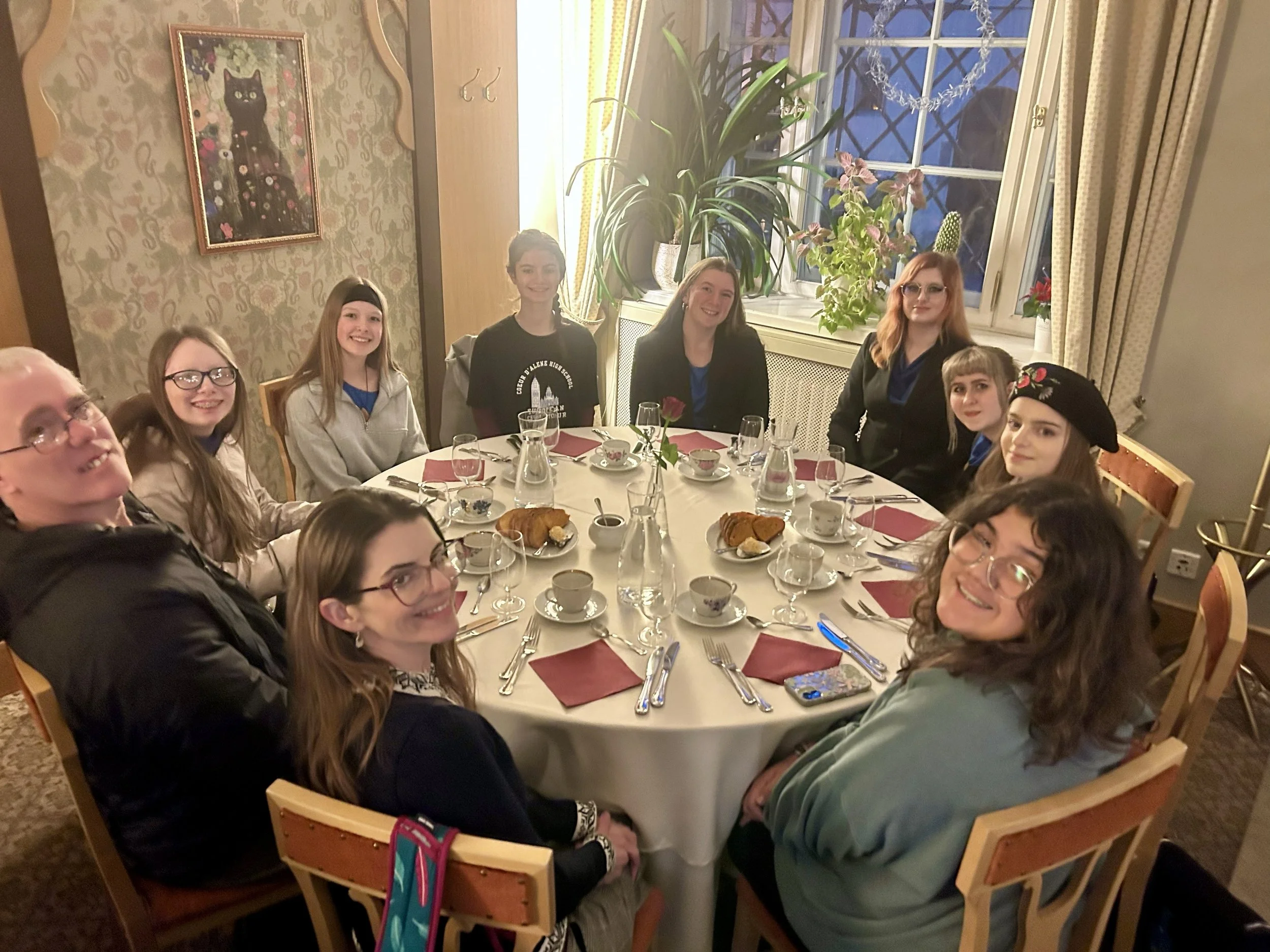
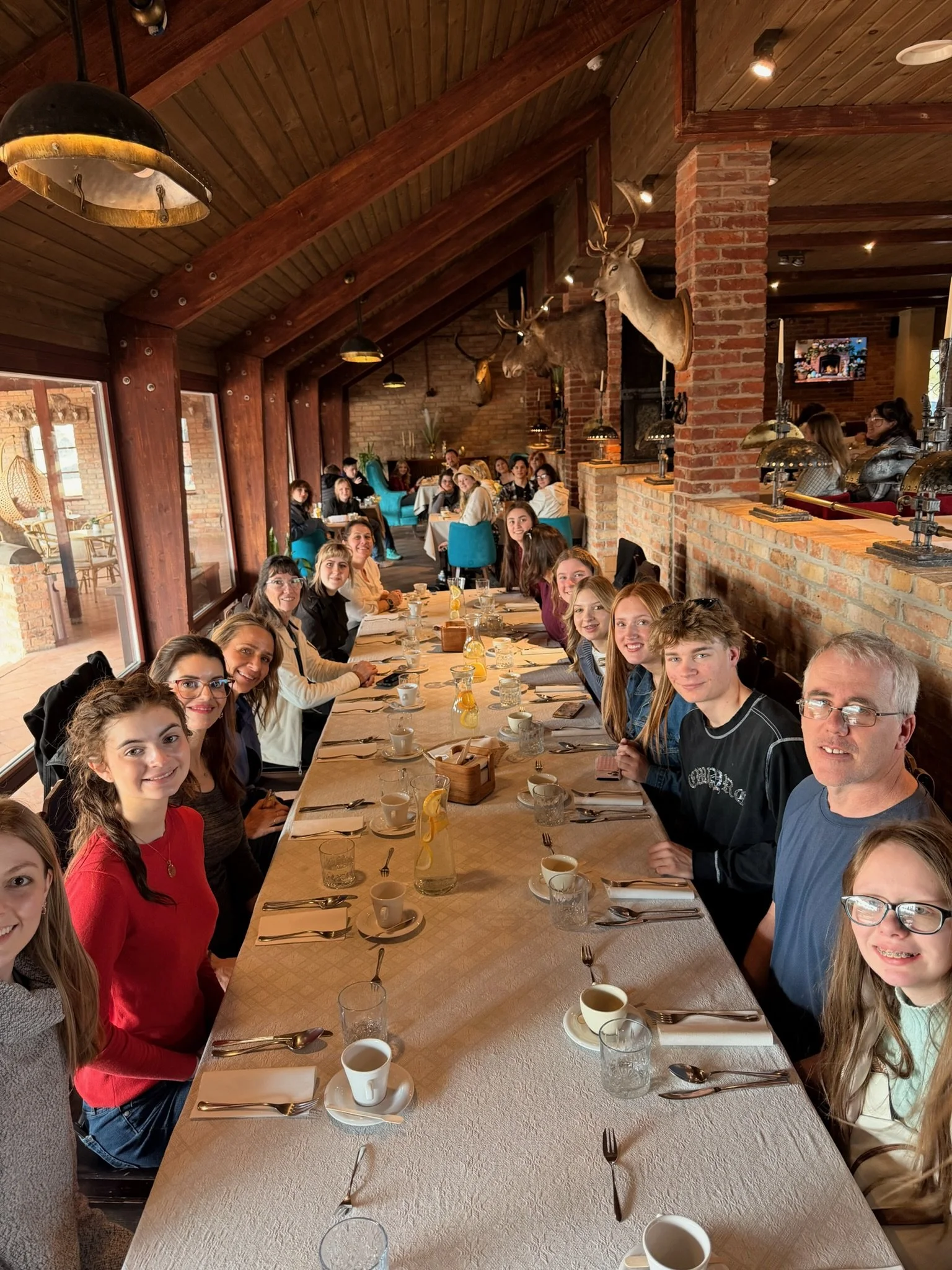
While we ate more meat and potatoes than we are used to, we had some amazing meals together at wonderful restaurants! Whether it was because we were visitors or this is just how they do things in the Baltics, we had dessert with every meal, including ice cream with freshly made waffle cones for breakfast! And while we’re talking about food - the chocolate is amazing (both bars and hot chocolate, which they drink for dessert), there are espresso machines in every hotel, grocery and convenience store, and did I mention they like meat and potatoes, with gravy?